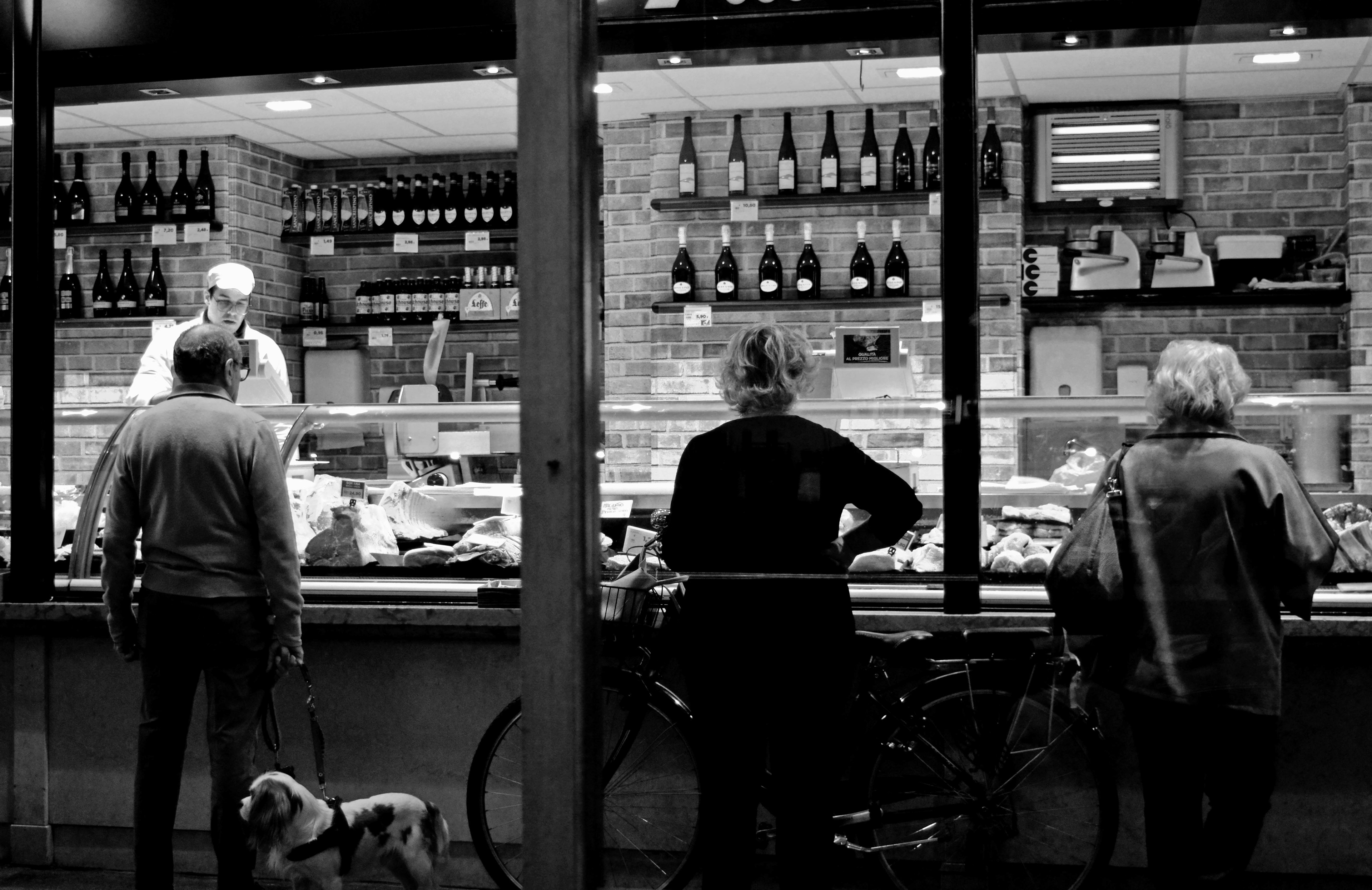
Markets are a feast for the senses—and for a photographer, they are an endless source of inspiration. Step into any market, anywhere in the world, and you’re immediately immersed in a living, breathing tapestry of culture. The light, the colours, the textures, the people—everything feels dynamic, unscripted, and deeply human. It’s the kind of environment where you don’t just take photos; you discover moments.
One of the greatest joys of photographing markets is the opportunity to people-watch. Vendors calling out prices, customers bargaining with expressive gestures, friends pausing mid-conversation over coffee—these are fleeting, authentic scenes that make for compelling street photography. There’s a rhythm to daily life in markets, and if you’re patient, you can capture it: the concentration of a fishmonger at work, the laughter of a group sharing food, or the quiet pause of someone lost in thought amid the chaos.
Then there’s the sheer diversity of food. Markets offer a window into what people eat, how they prepare it, and how it shapes their daily lives. In the fish markets of southern Europe, like those in coastal cities, the catches can be spectacular—gleaming silver fish laid out in neat rows, octopus draped dramatically over counters, and fishermen proudly displaying the morning’s haul. These scenes are rich with texture and contrast, perfect for dramatic, storytelling images.
In Asia, flower markets burst with colour in a completely different way. Buckets overflow with orchids, marigolds, and roses in every imaginable hue. The visual intensity is almost overwhelming, and yet there’s a delicate beauty in how these flowers are handled, arranged, and sold. Early morning light filtering through petals can transform even a simple shot into something magical.
Some markets are entirely unique in form. Floating markets in Vietnam, for instance, offer a constantly shifting landscape where boats piled high with fruit and vegetables drift past one another. Photographing here means adapting—balancing on a moving vessel, framing shots quickly, and embracing the unpredictability of the scene. The reward is a collection of images unlike anywhere else in the world.
Not all markets are gentle experiences. A visit to a traditional meat markets, such as the ones in Athens and China, can be intense. It’s raw, visceral, and not for the faint-hearted. Yet even here, there’s a powerful story to tell about tradition, livelihood, and the realities of food production. Capturing these scenes requires sensitivity, but they can result in some of the most honest and thought-provoking photographs.
Seasonal markets bring their own charm. A Christmas market in Central Europe, for example, glows with warm lights, wooden stalls, and the comforting sight of winter food being prepared. Steam rises from hot drinks, handcrafted trinkets line the shelves, and people gather in the cold with a shared sense of festivity. These environments lend themselves beautifully to atmospheric photography.
In Italy, markets often feel like open-air galleries of fresh produce. Fruits and vegetables are displayed with pride—vibrant tomatoes, glossy aubergines, sunlit citrus—each arranged with an eye for colour and abundance. It’s a reminder that food here is not just sustenance, but a celebration of quality and seasonality.
Some markets are as much about architecture as they are about what’s being sold. Grand halls in cities like Budapest and London combine history with daily life. Beneath ornate roofs and ironwork, stalls offer everything from paprika-laden sausages to intricate handicrafts. Photographing in these spaces allows you to play with symmetry, leading lines, and the contrast between old structures and modern activity.
And then there are markets that invite you to slow down and savour the experience. In Porto, for instance, you might wander between stalls sampling local delicacies, a glass of port or wine in hand. It’s not just about observation—it’s about participation. As a photographer, this changes your perspective; you’re no longer an outsider looking in, but part of the scene itself.
Ultimately, photographing markets abroad is about more than capturing beautiful images. It’s about connecting—with people, with culture, and with the everyday moments that define a place. Every market tells a story, and with a camera in hand, you have the chance to tell it in your own way.
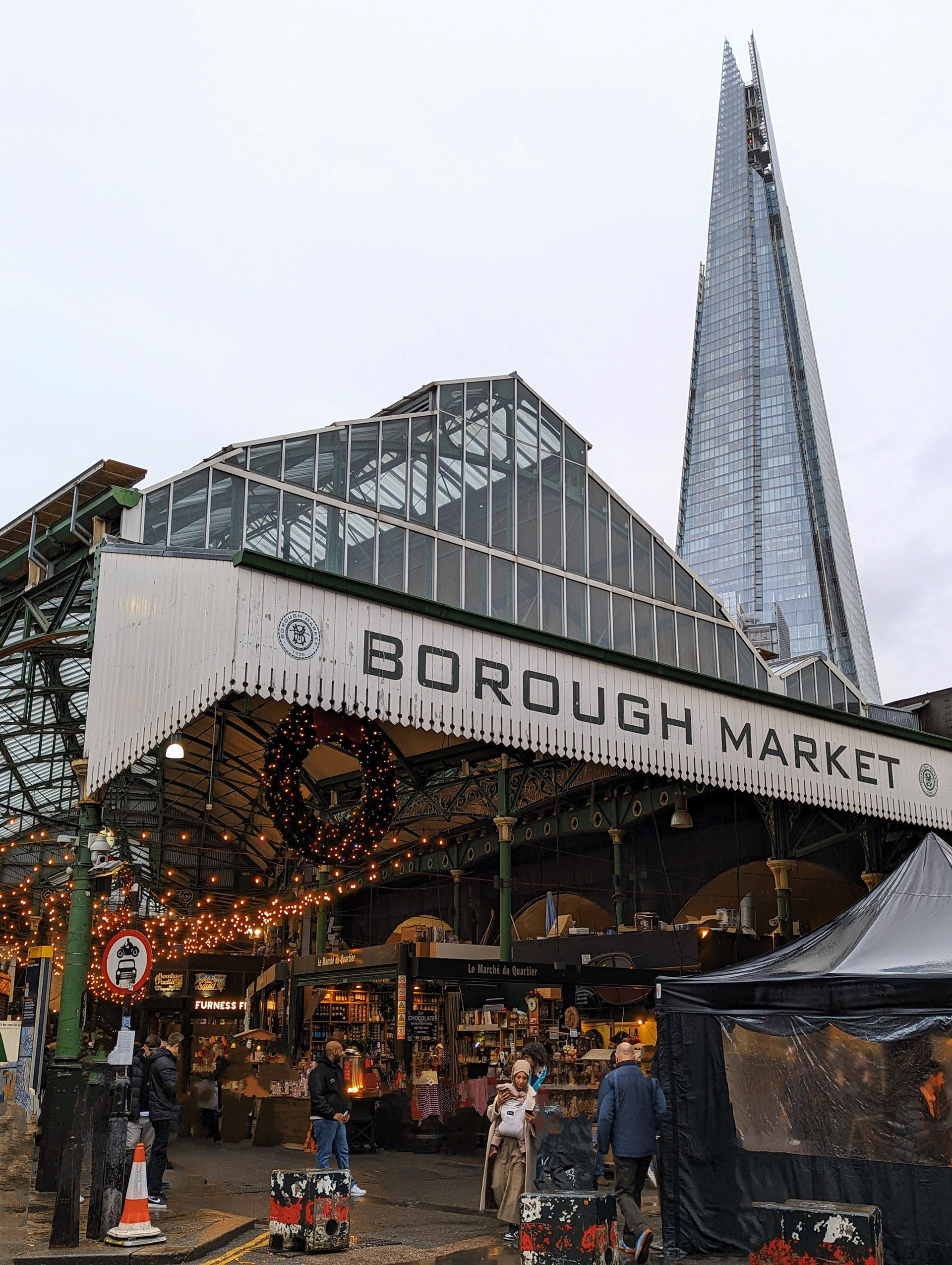
Exterior of Borough Market, London
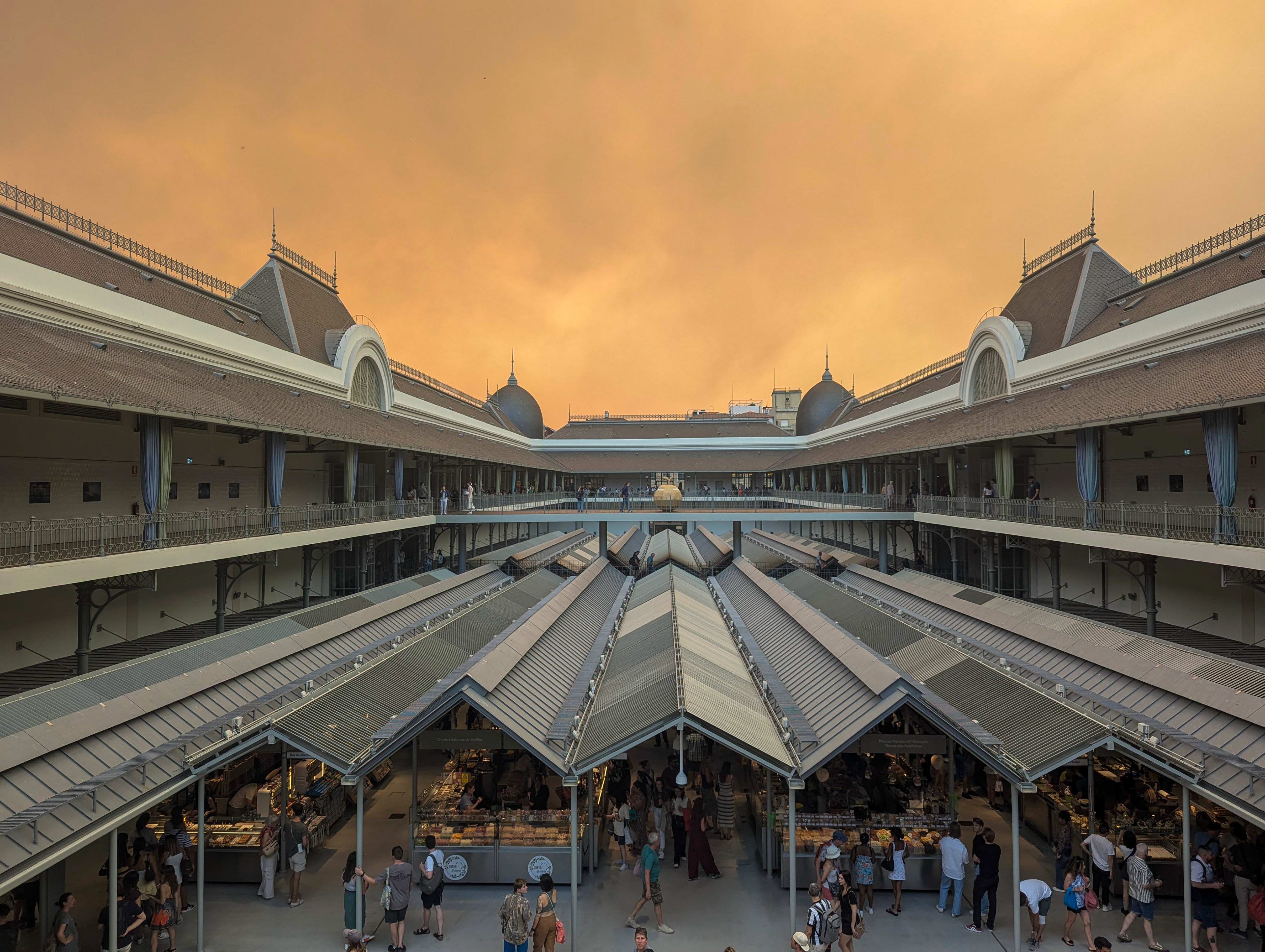
Mercado do Bolhão, Porto
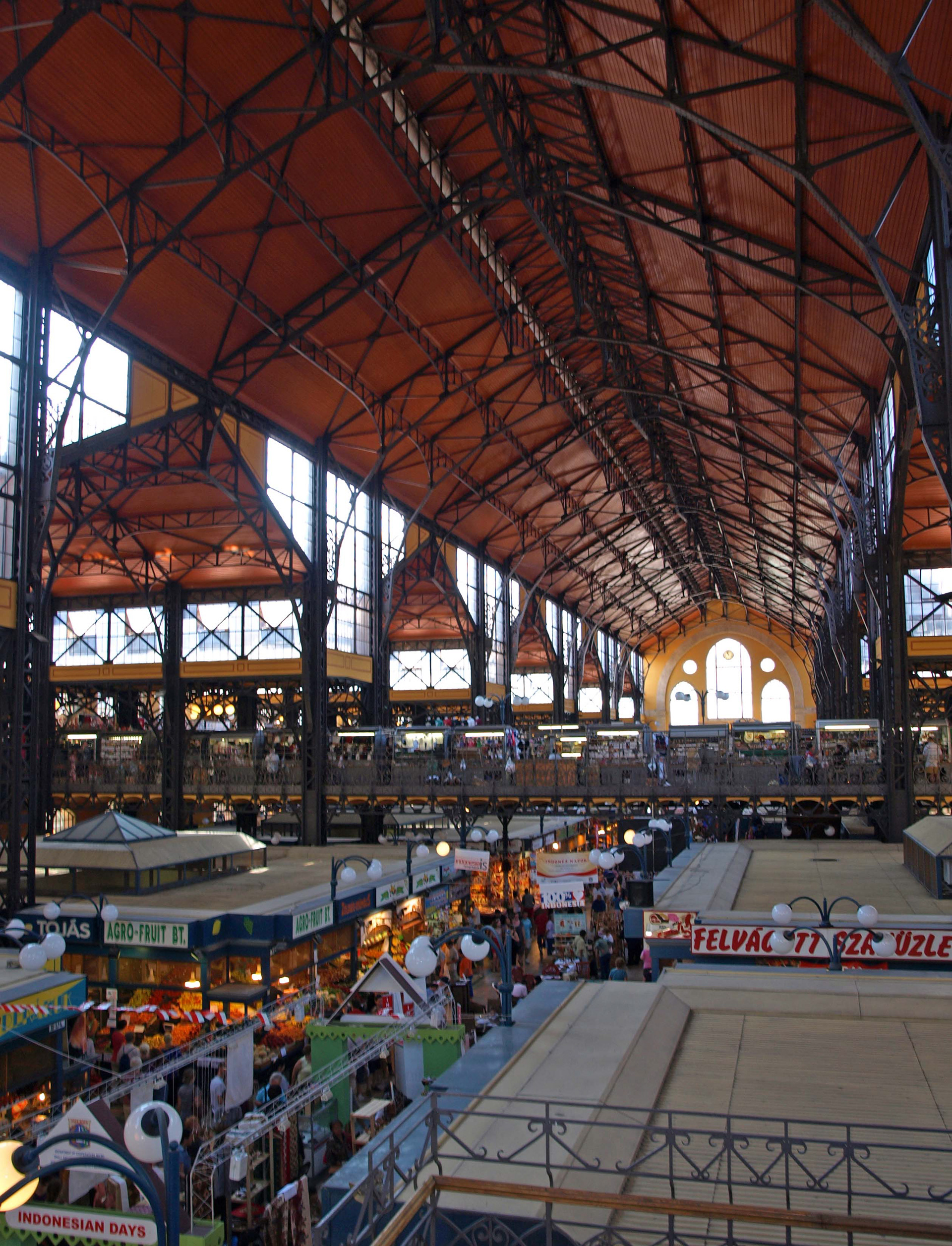
Great Market Hall, Budapest
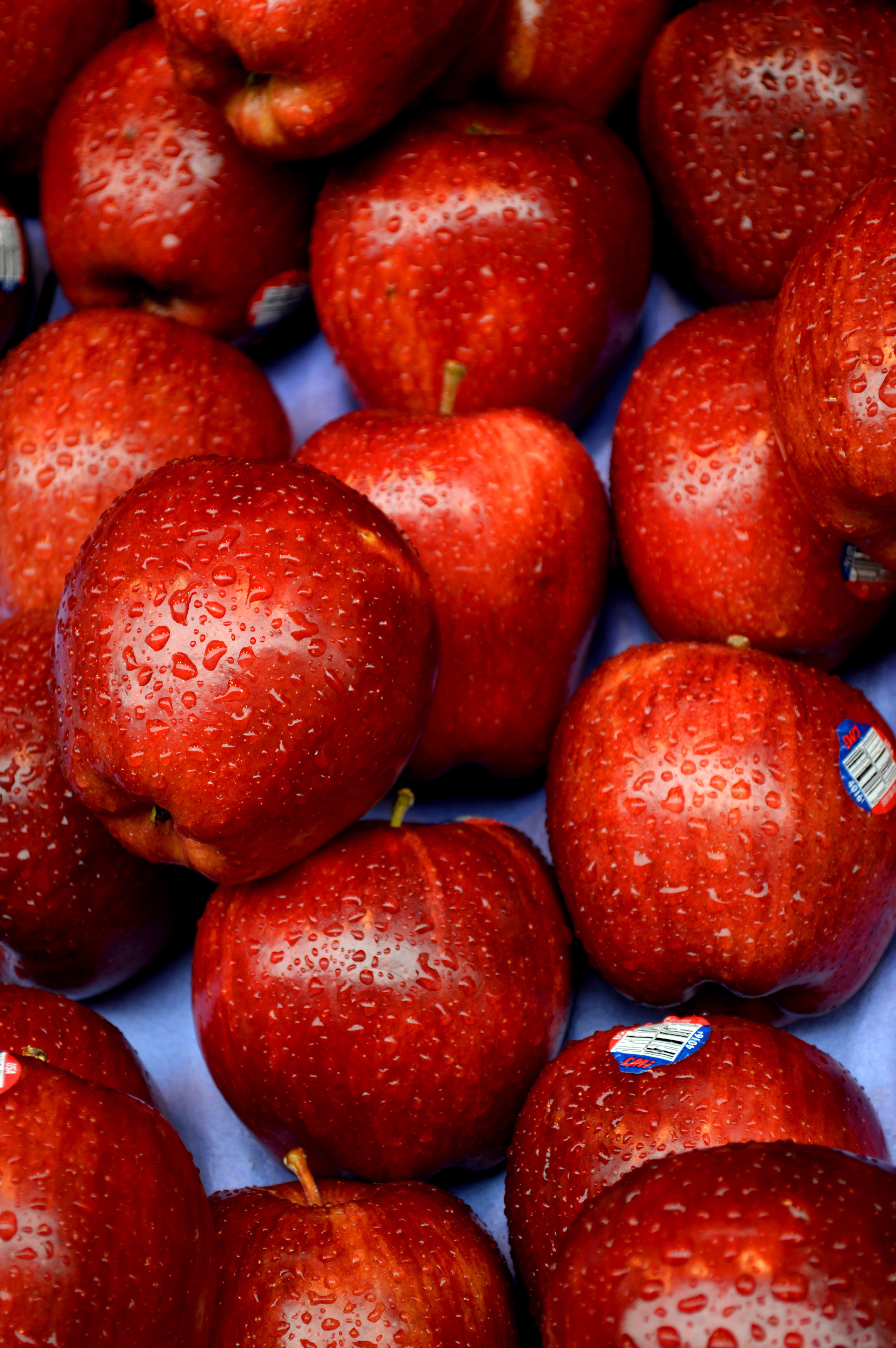
Juicy red apples, Hong Kong
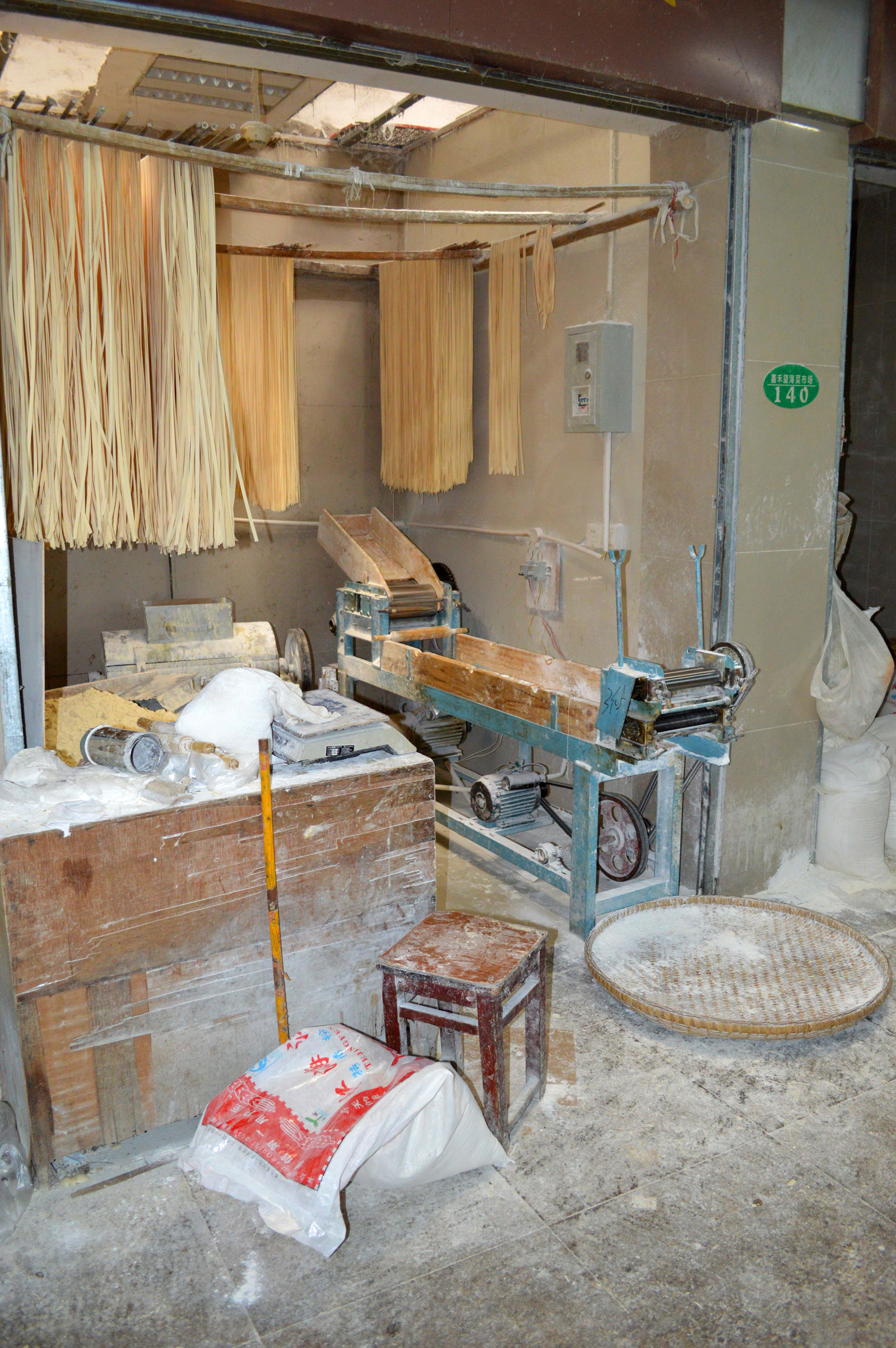
The Noodle Maker, Chongching, China
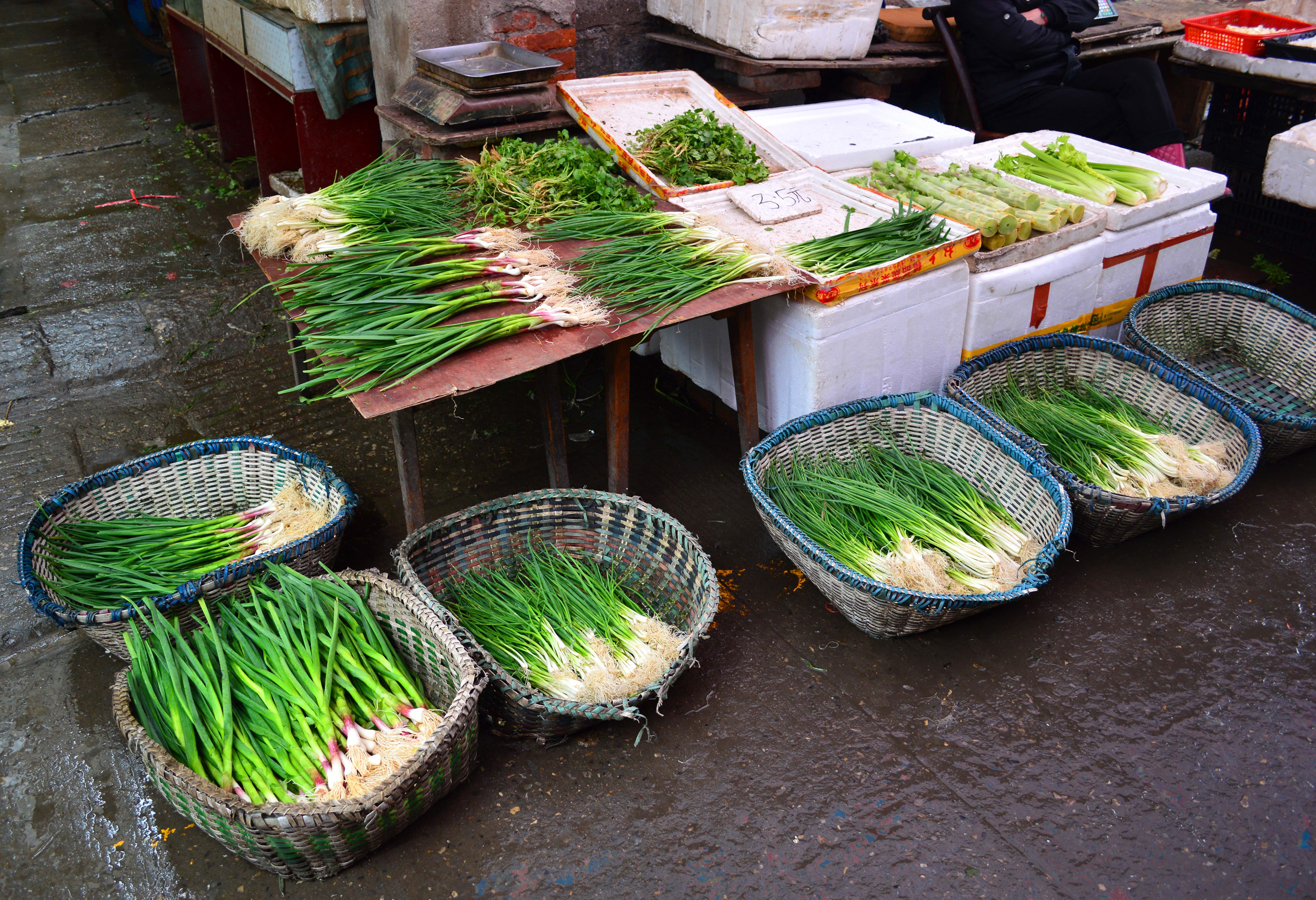
Spring Onion Varieties, Yichang, China
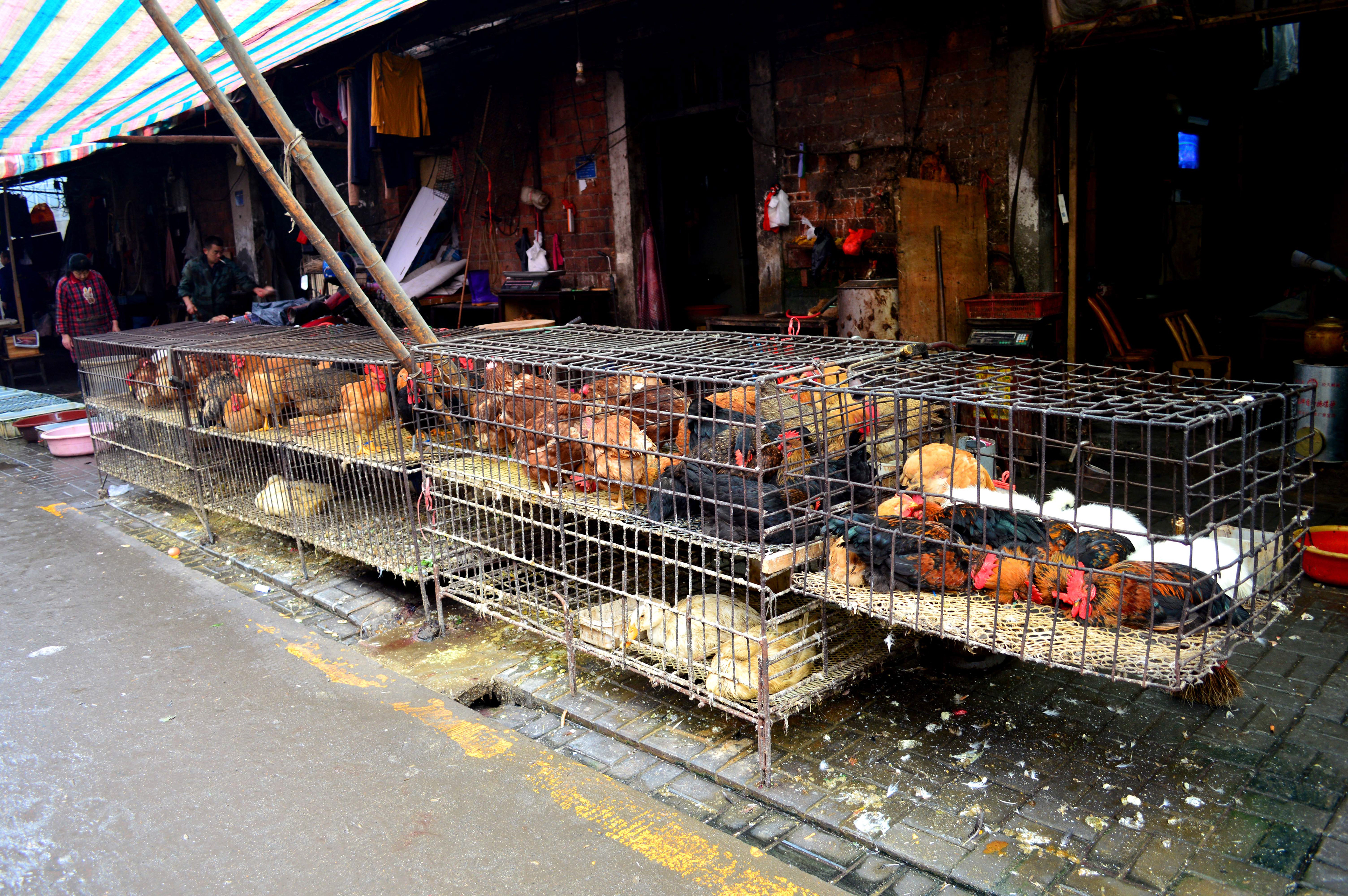
Chickens at the meat market, Yichang
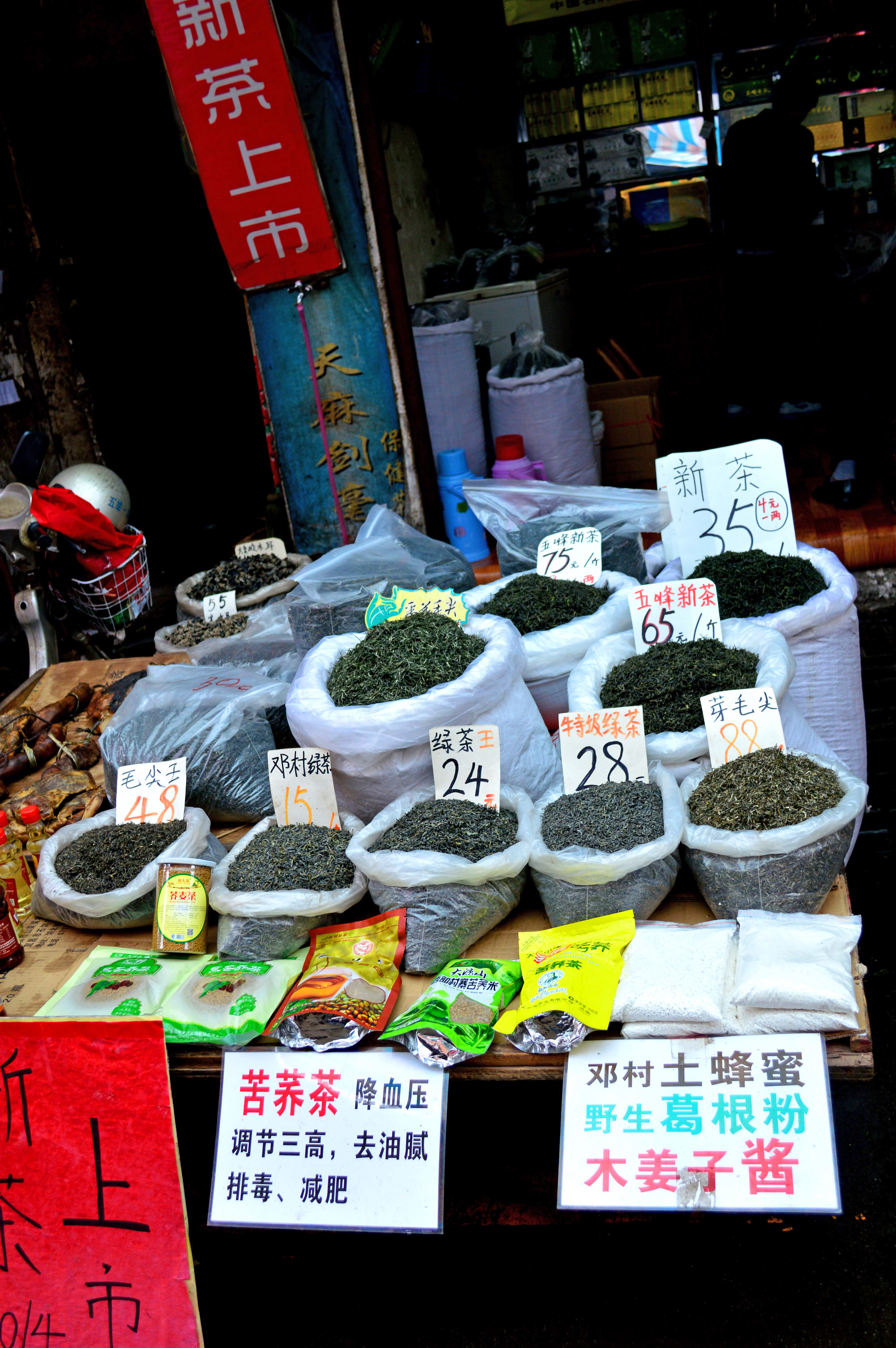
Not quite all the tea in China
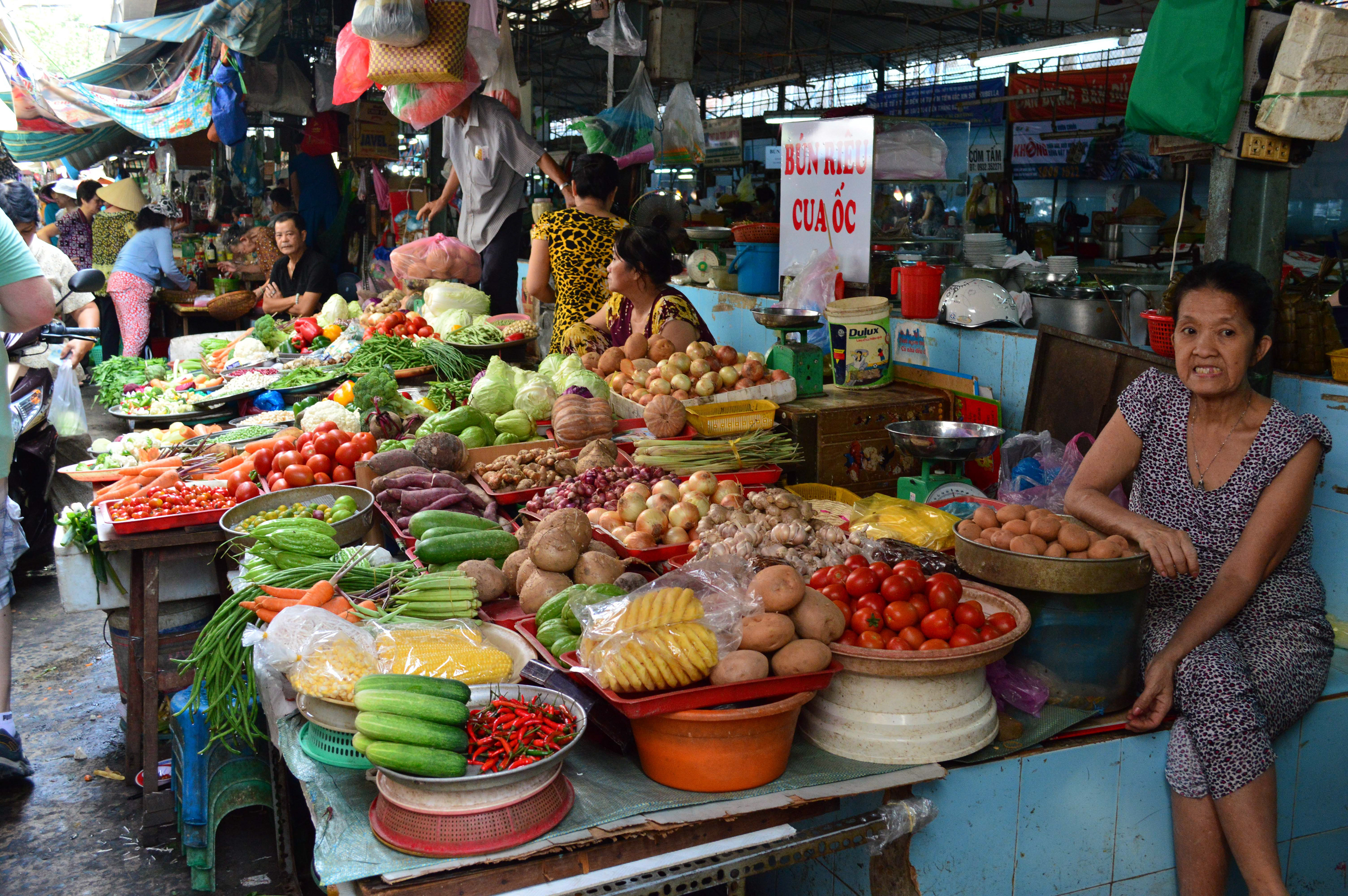
Produce in Ho Chi Min City
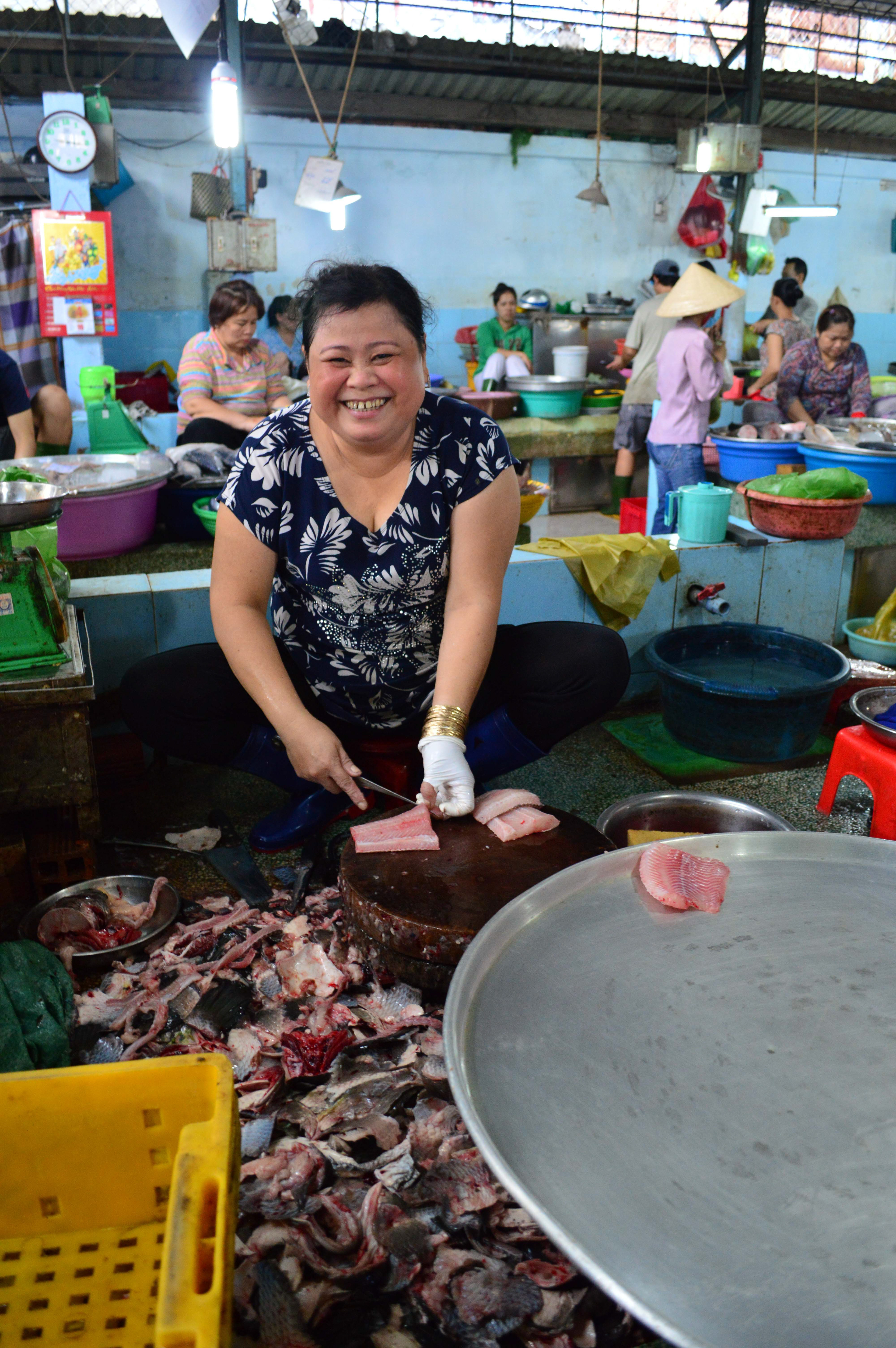
Fish market, Ho Chi MIn CIty
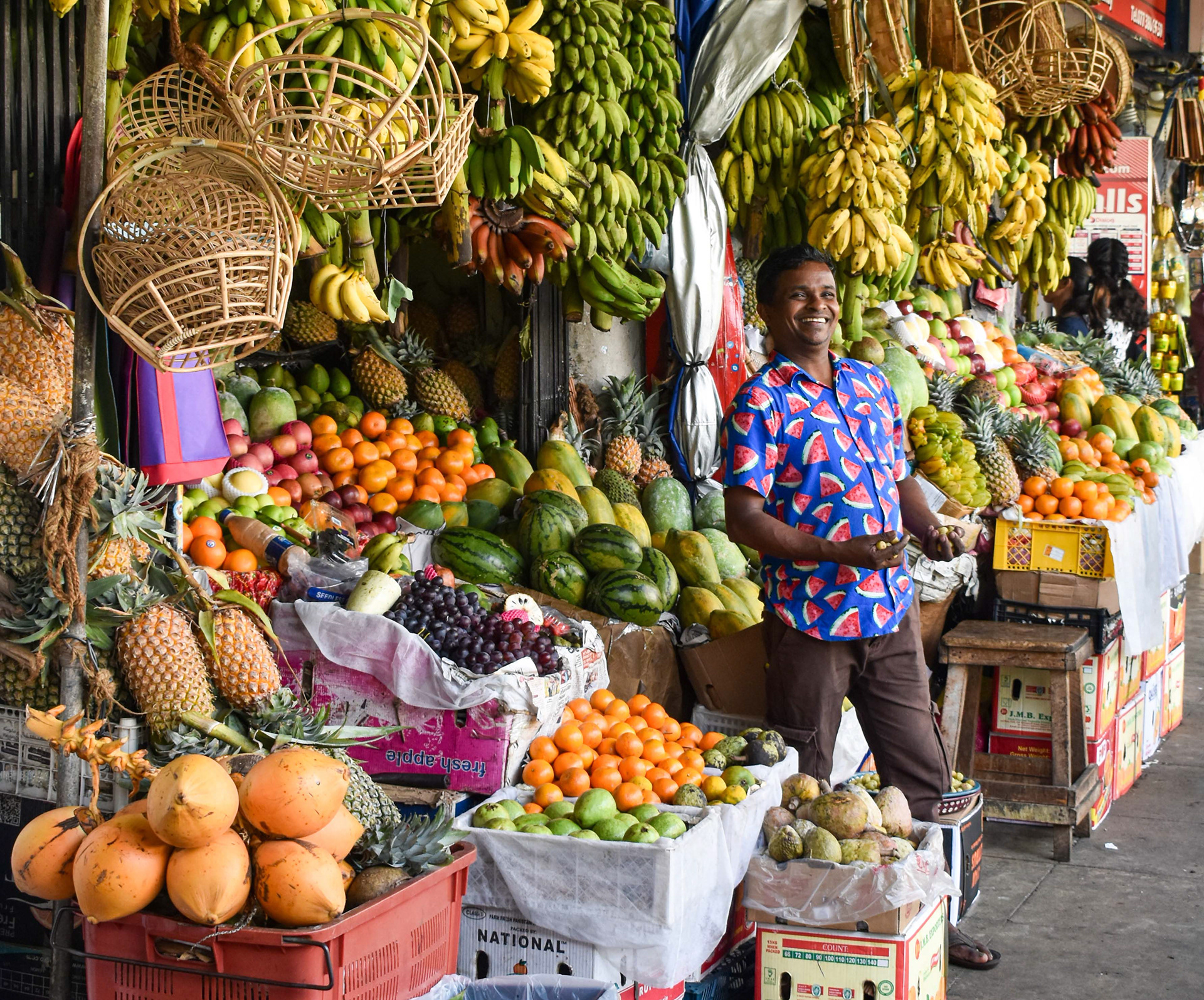
Kandy Central Market
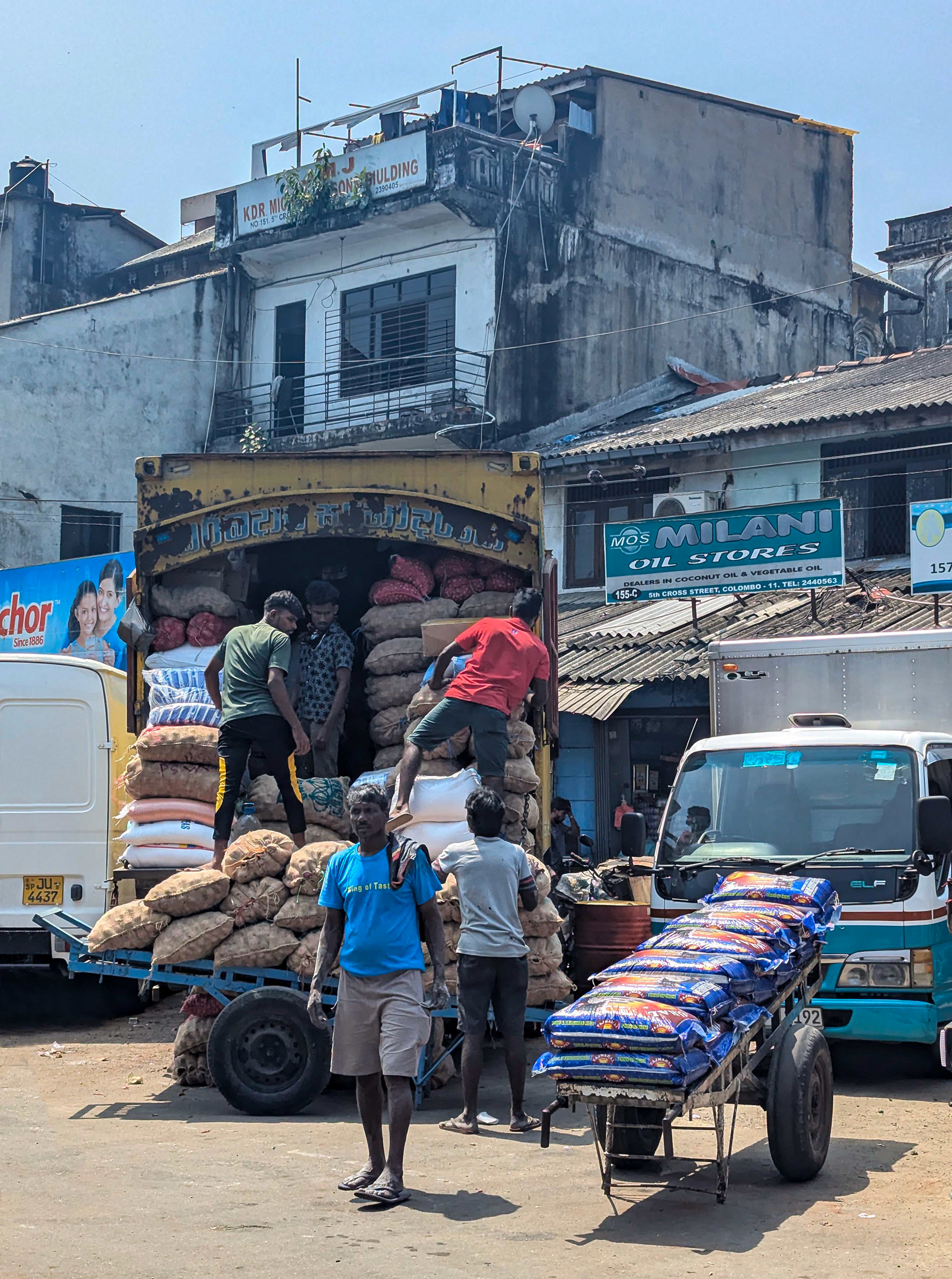
Pettah Market deliveries, olombo, Sri Lanka
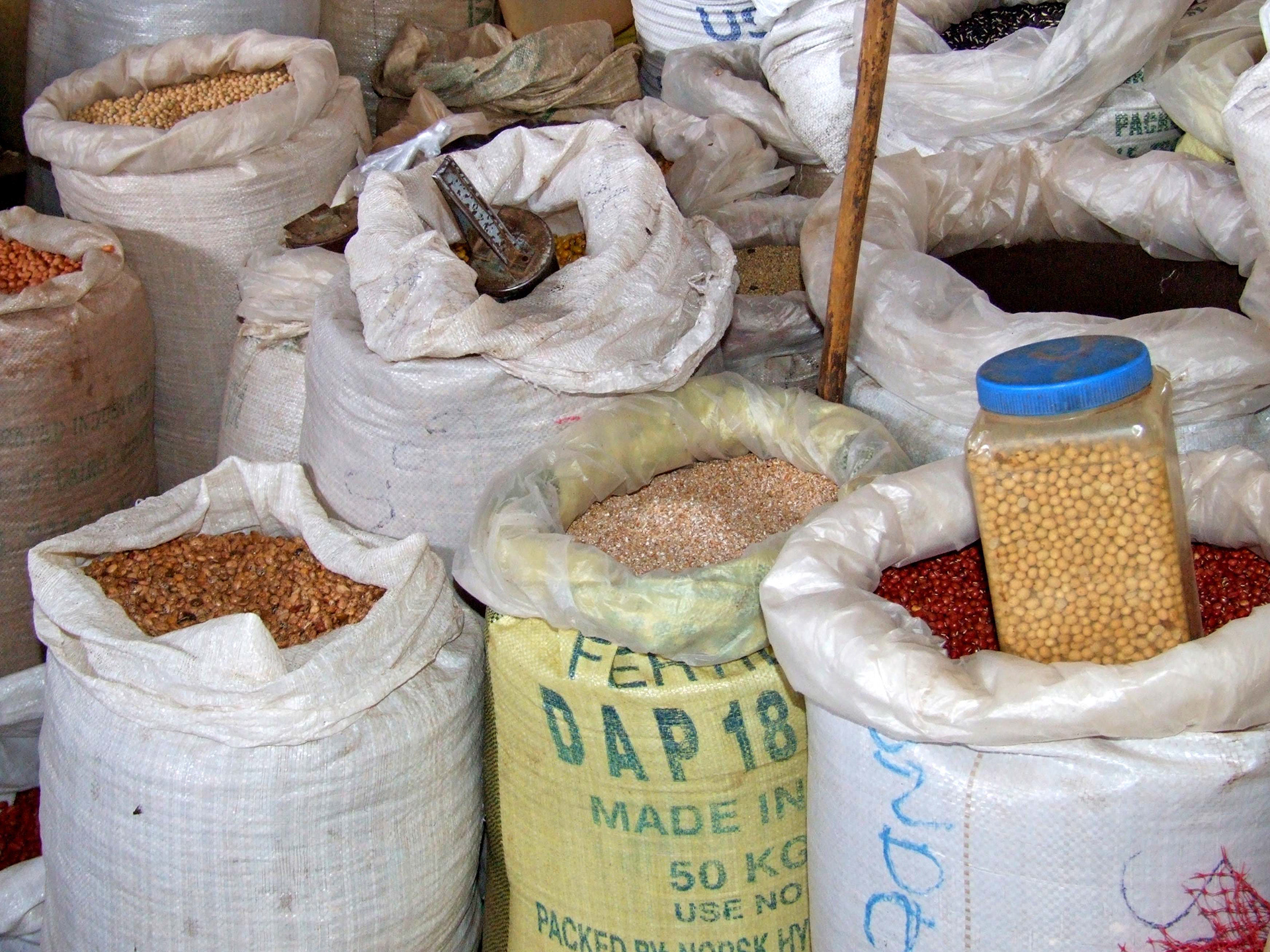
Pulses in Mombassa Market, Kenya
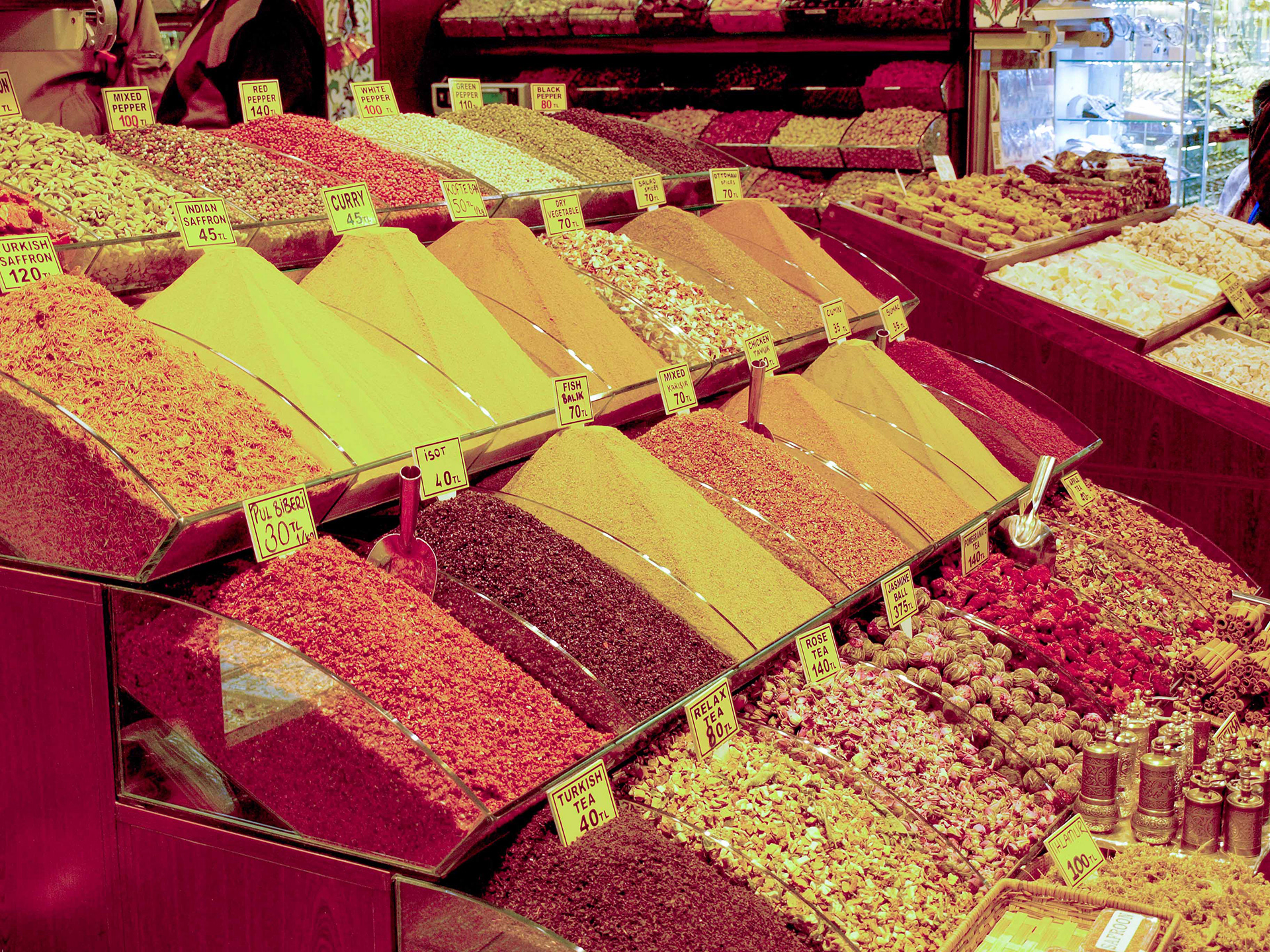
Spice Market, Istanbul, Turkey

French Cheeses in Louhans, France
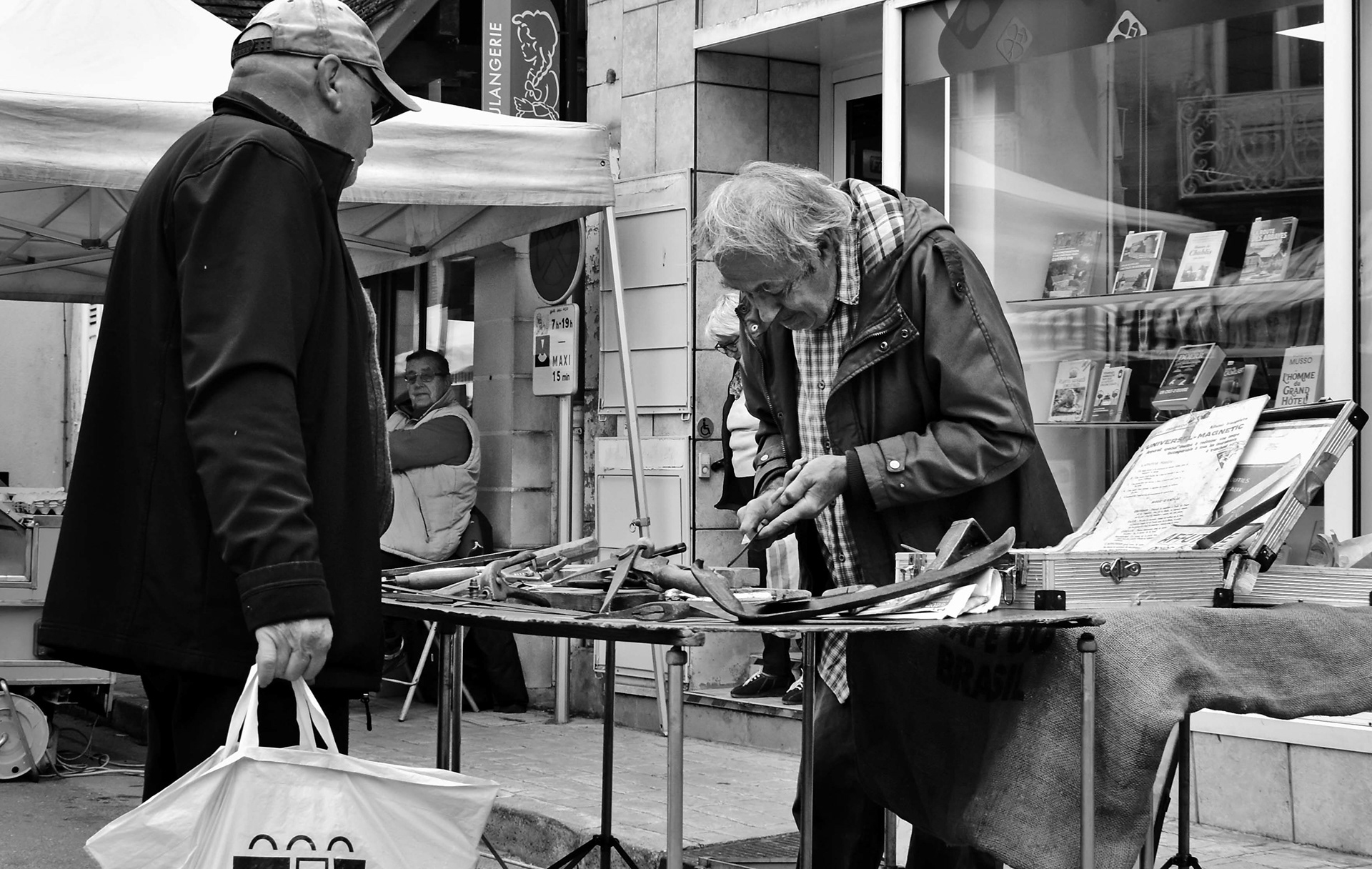
Knife Sharpener in Chablis Sunday Market
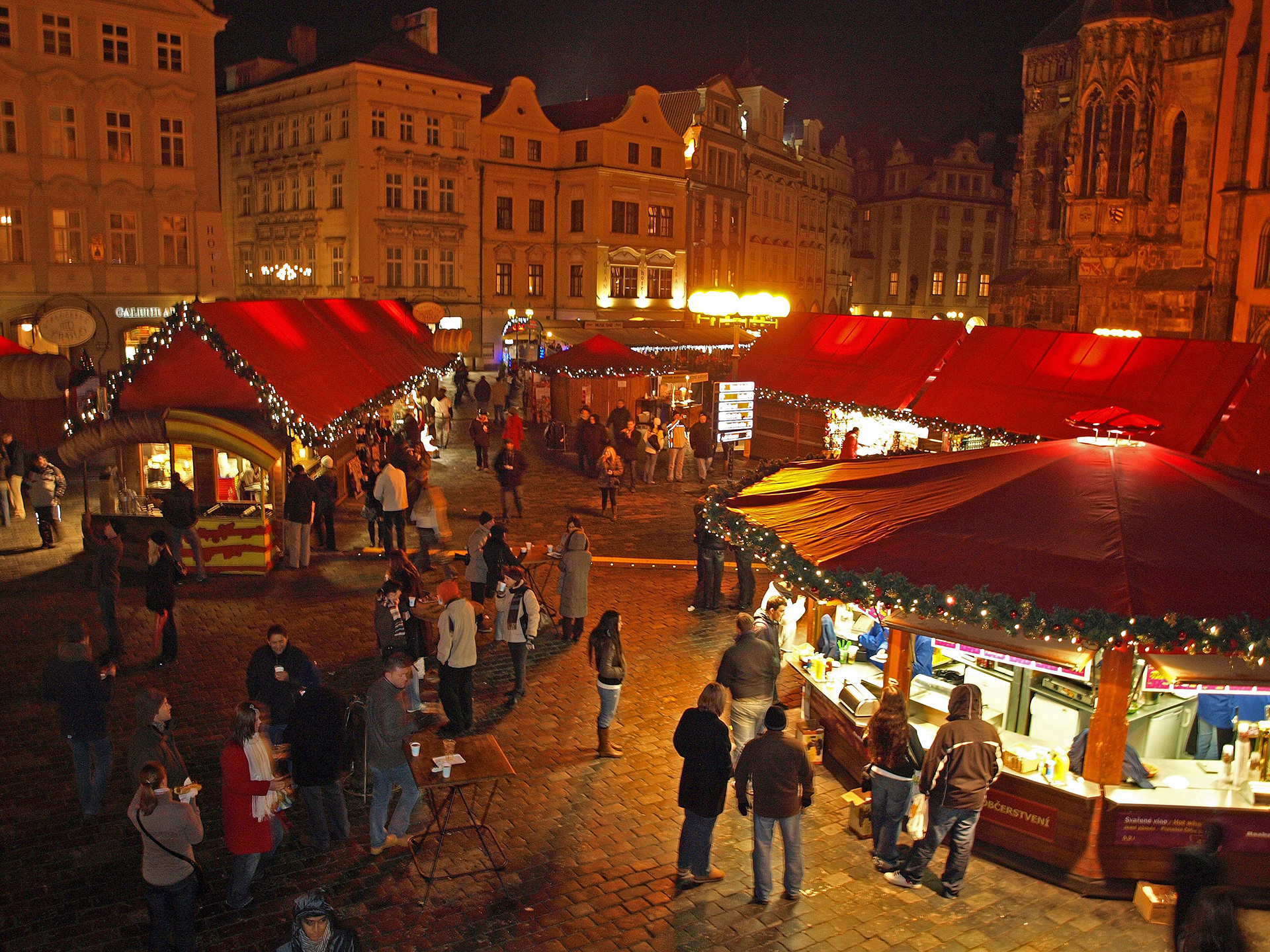
CHristmas Market in Prague
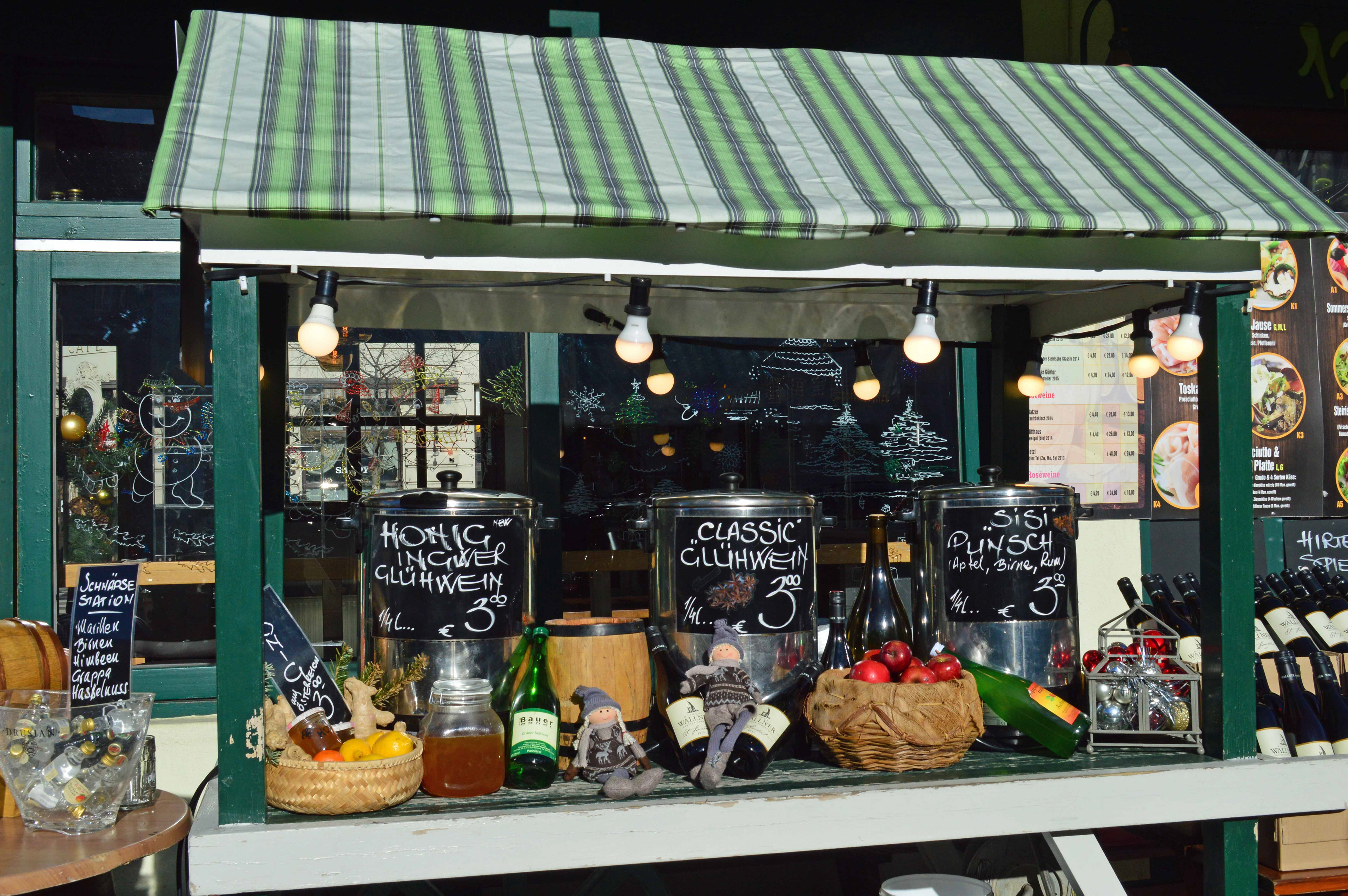
Gluwein in Vienna
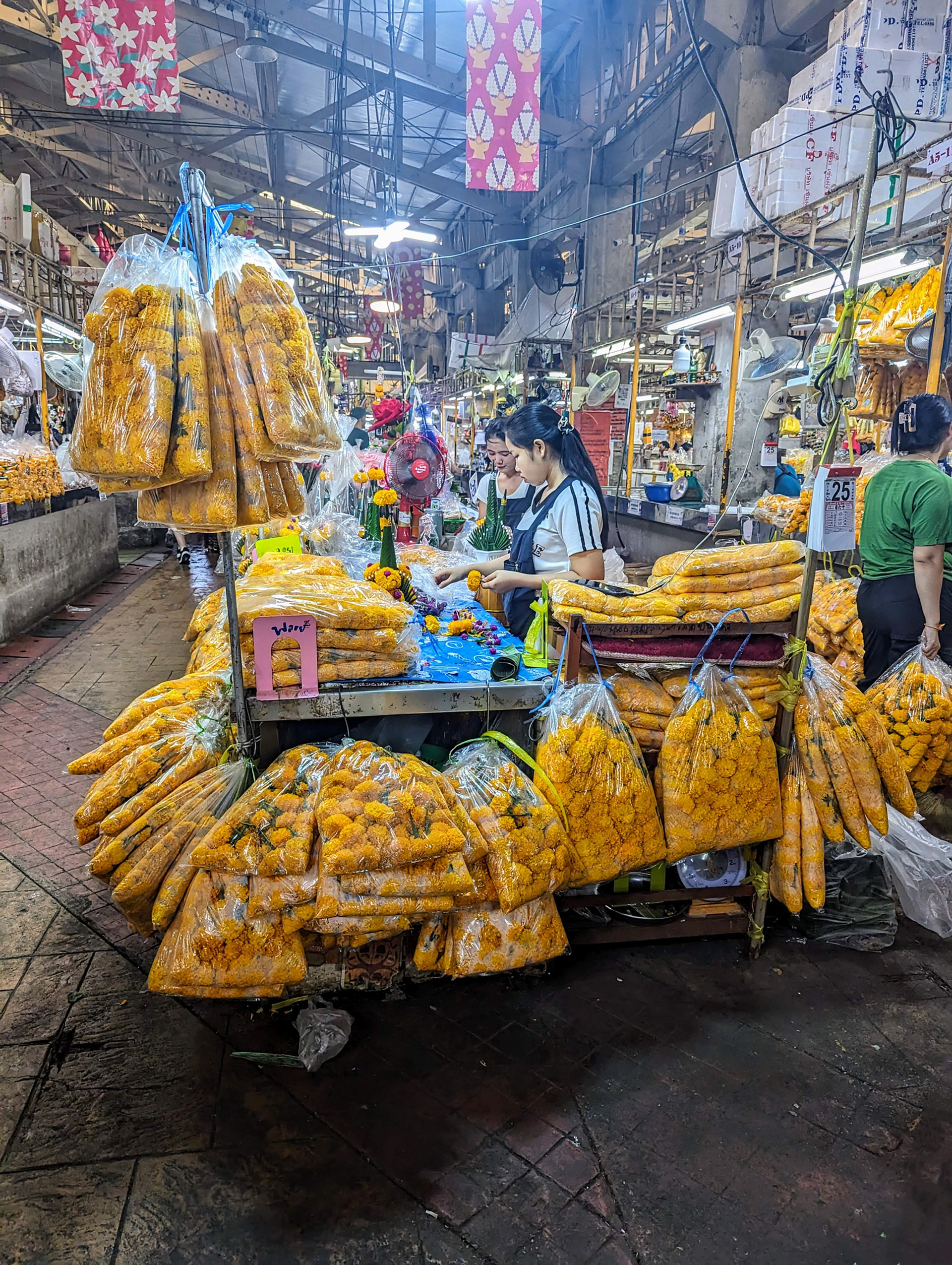
Bangkok Flower Market, Thailand
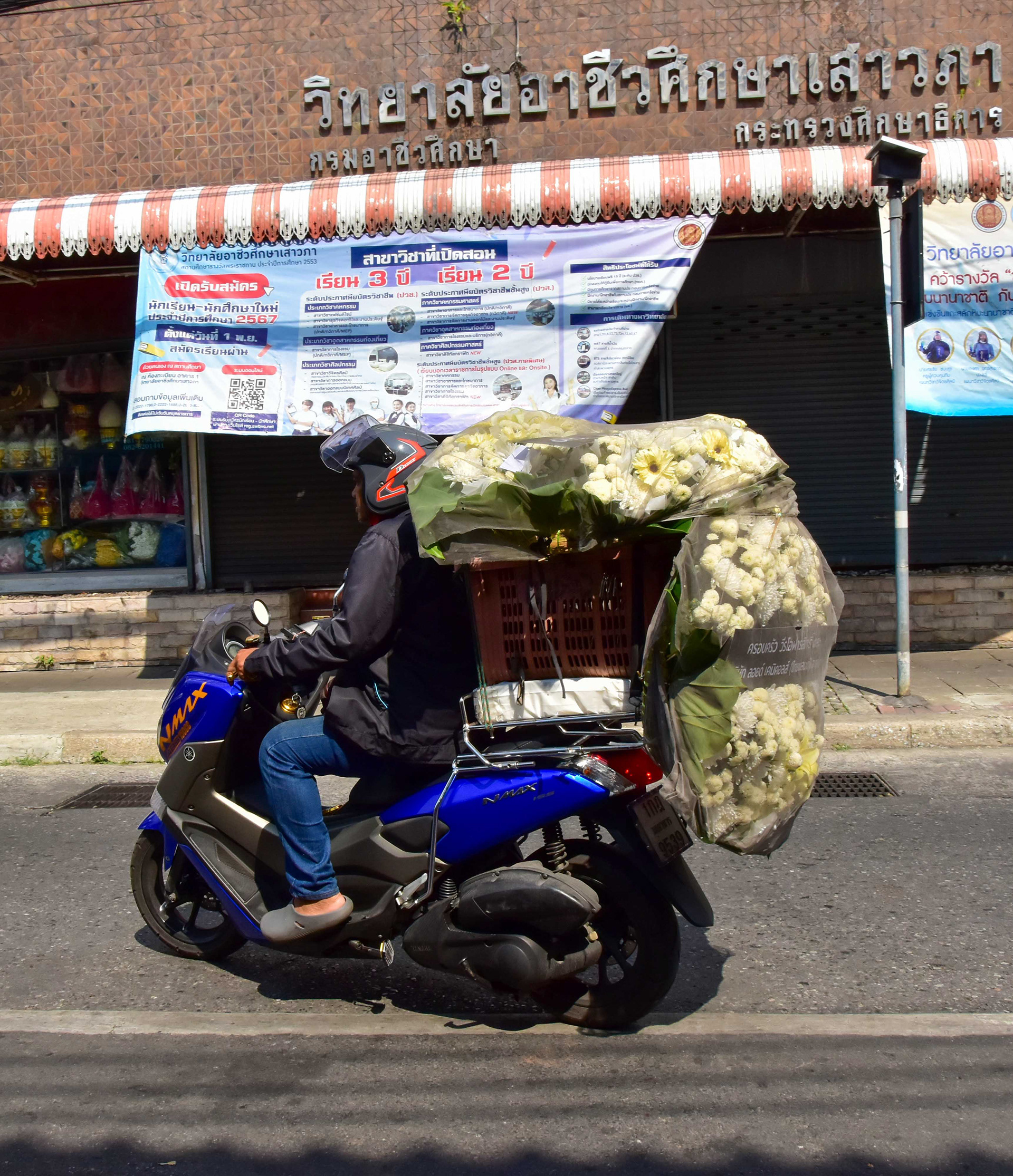
Bangkok Flower Market, Thailand
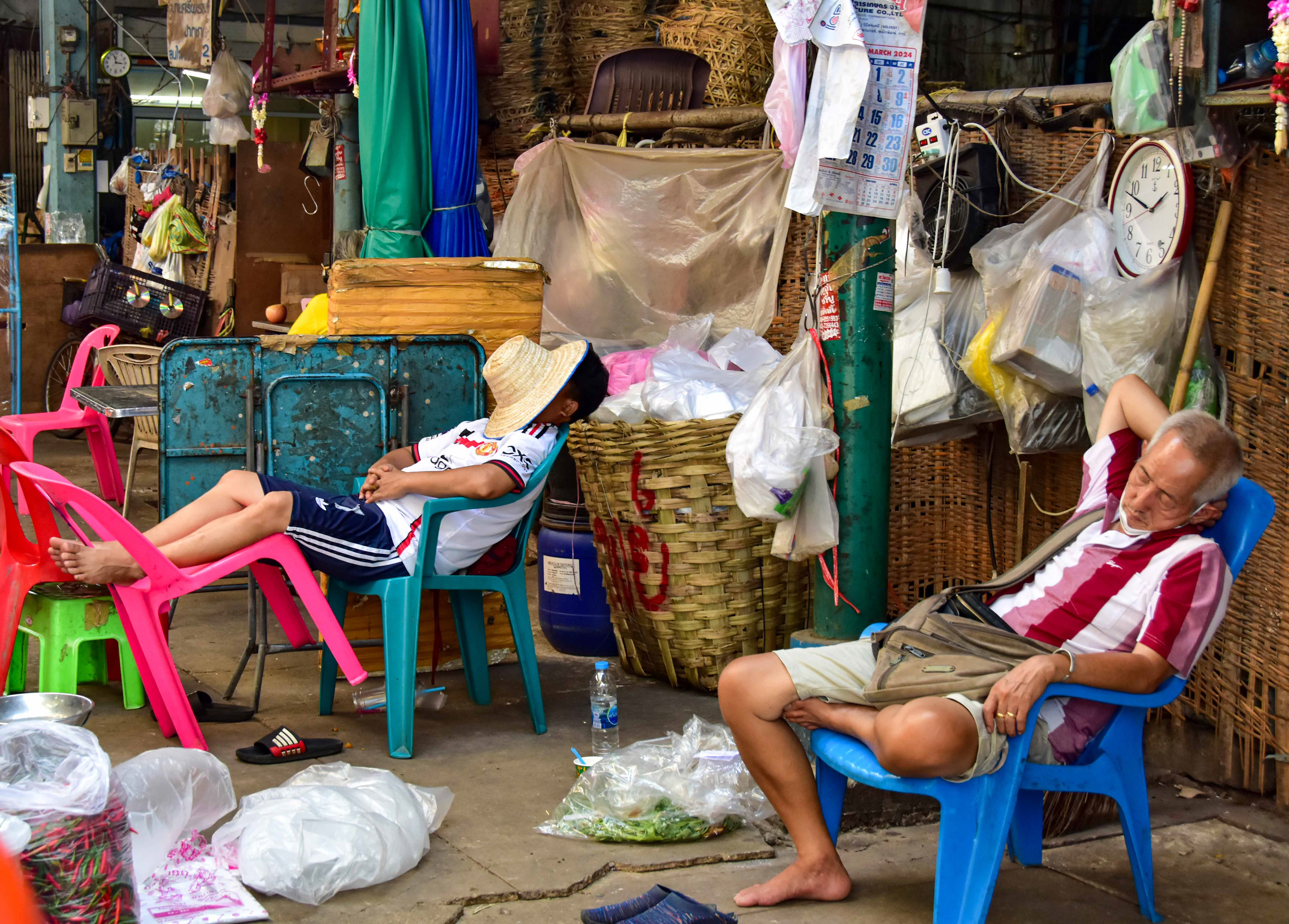
Busy Day, Thai Market, Bangkok
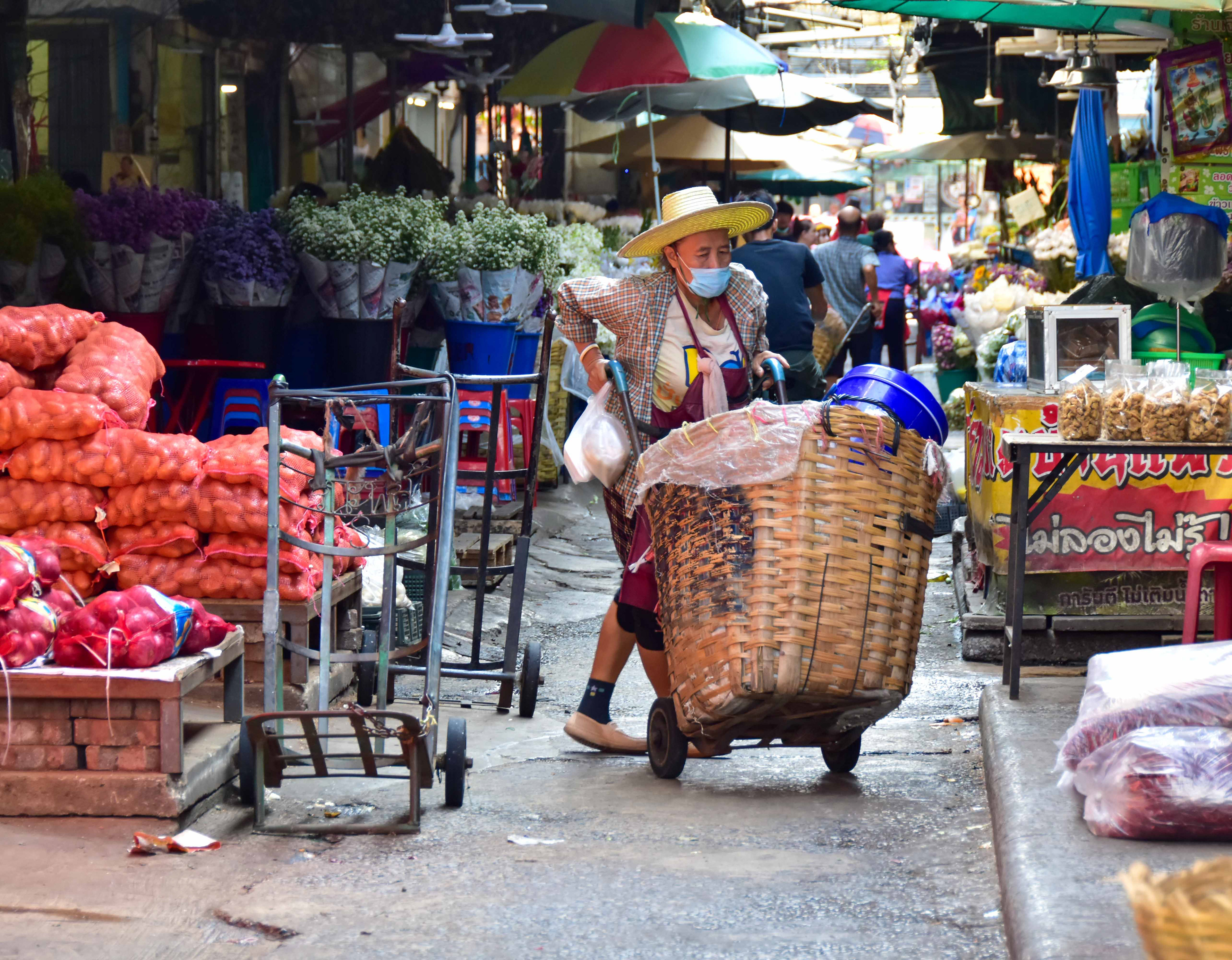
Market Porter, Bangkok, Thailand
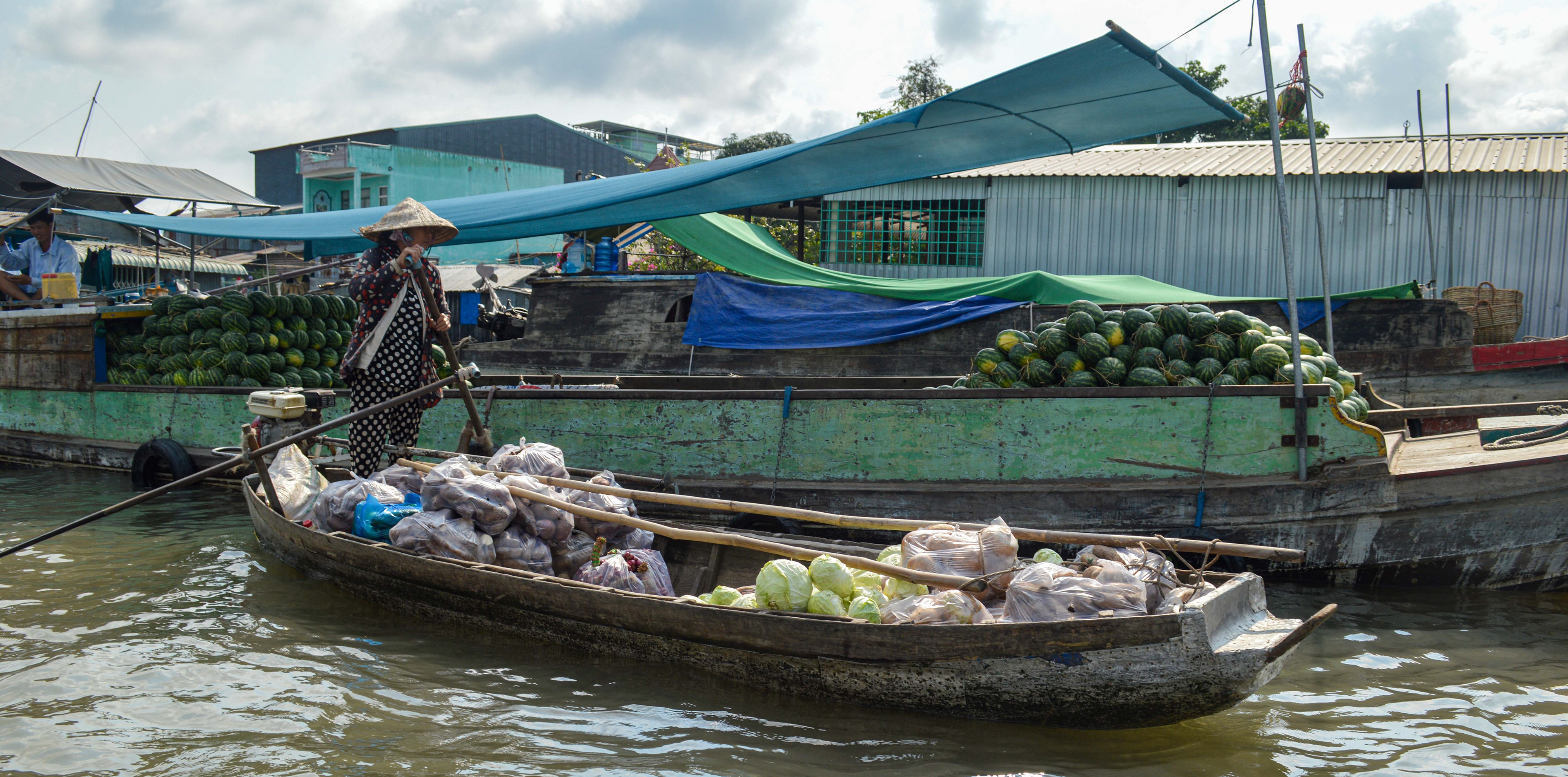
Floating Market, Mekong Delta, Vietnam
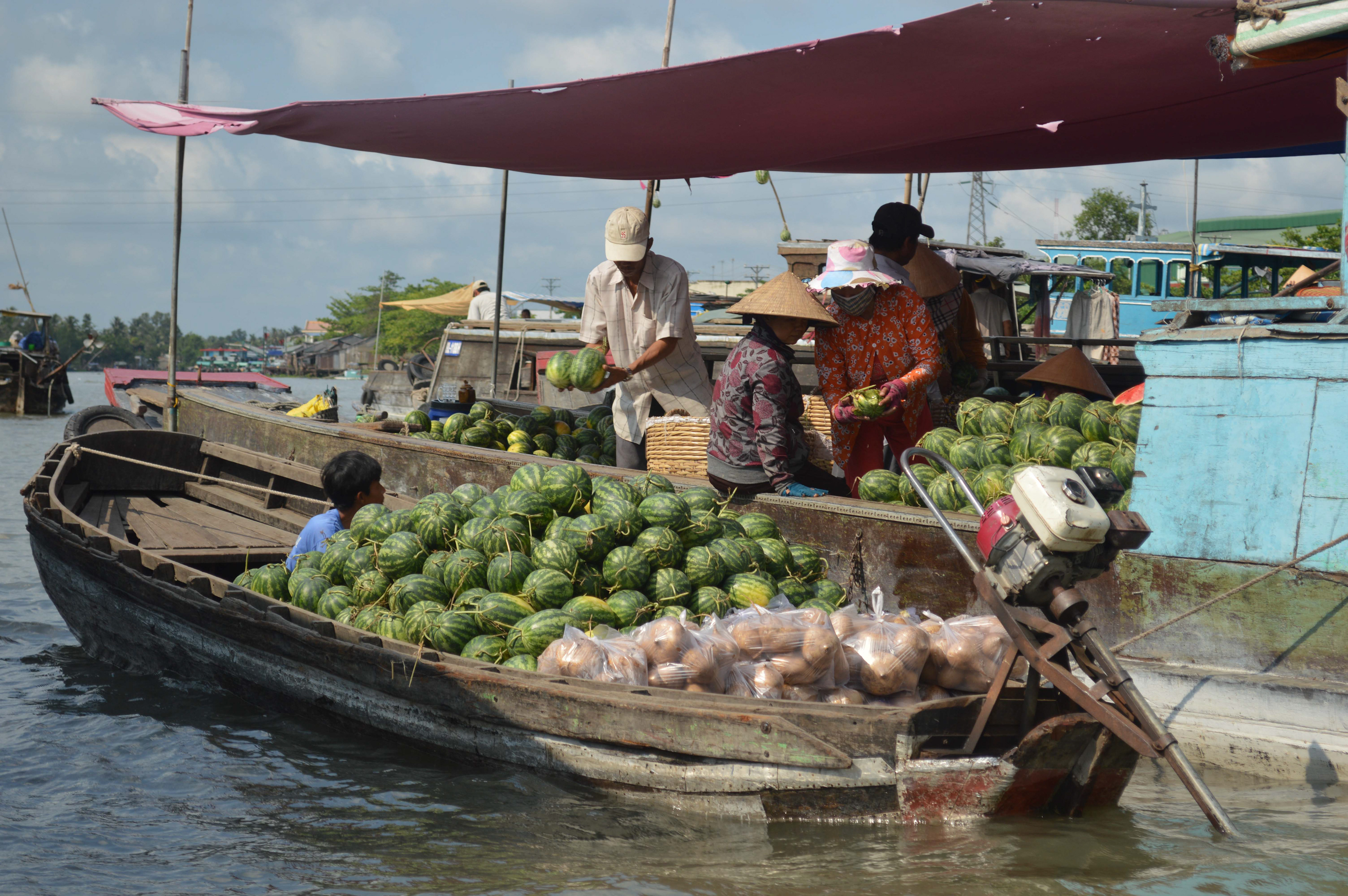
Floating Market, Mekong Delta, Vietnam
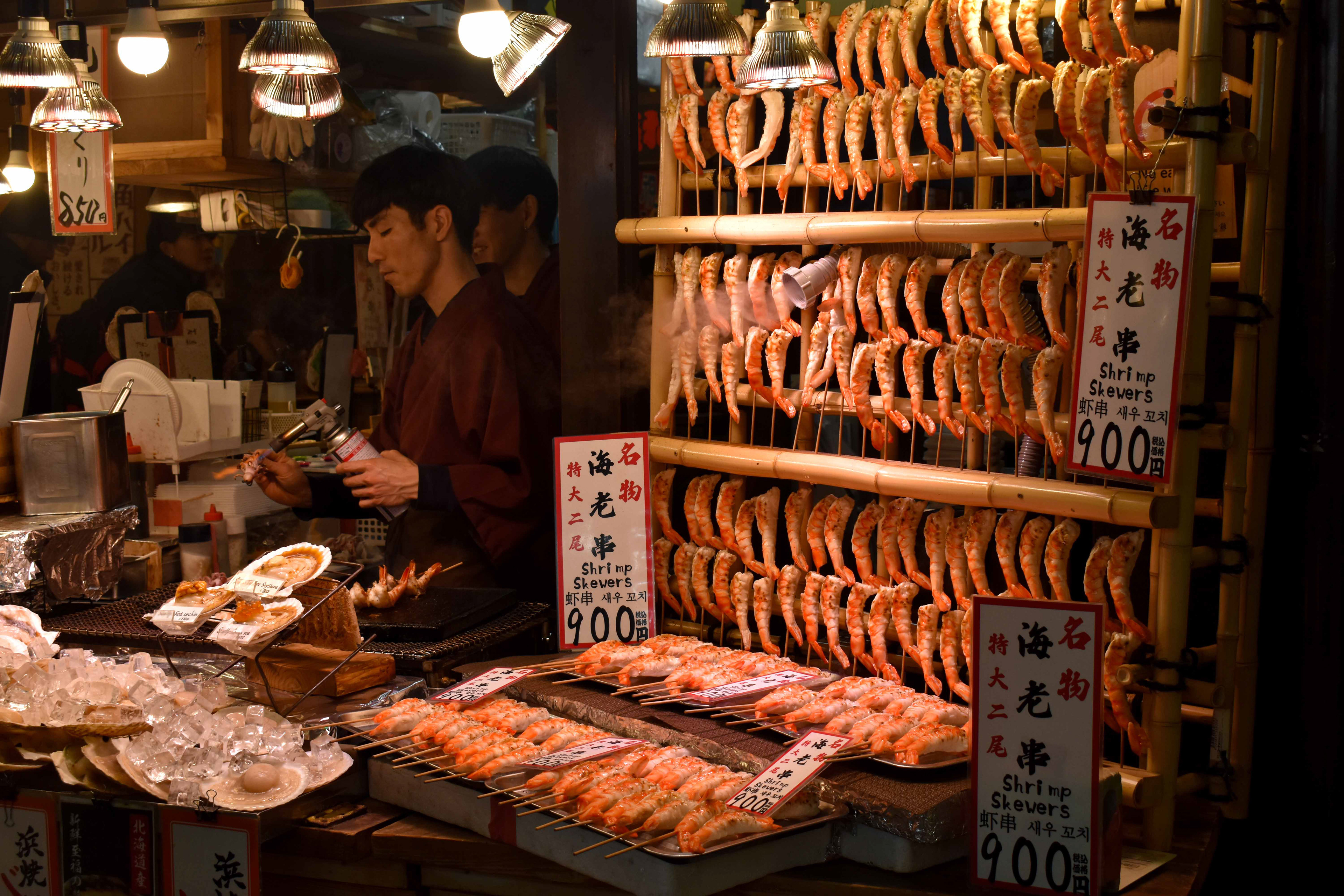
Nishiki Market, Kyoto, Japan
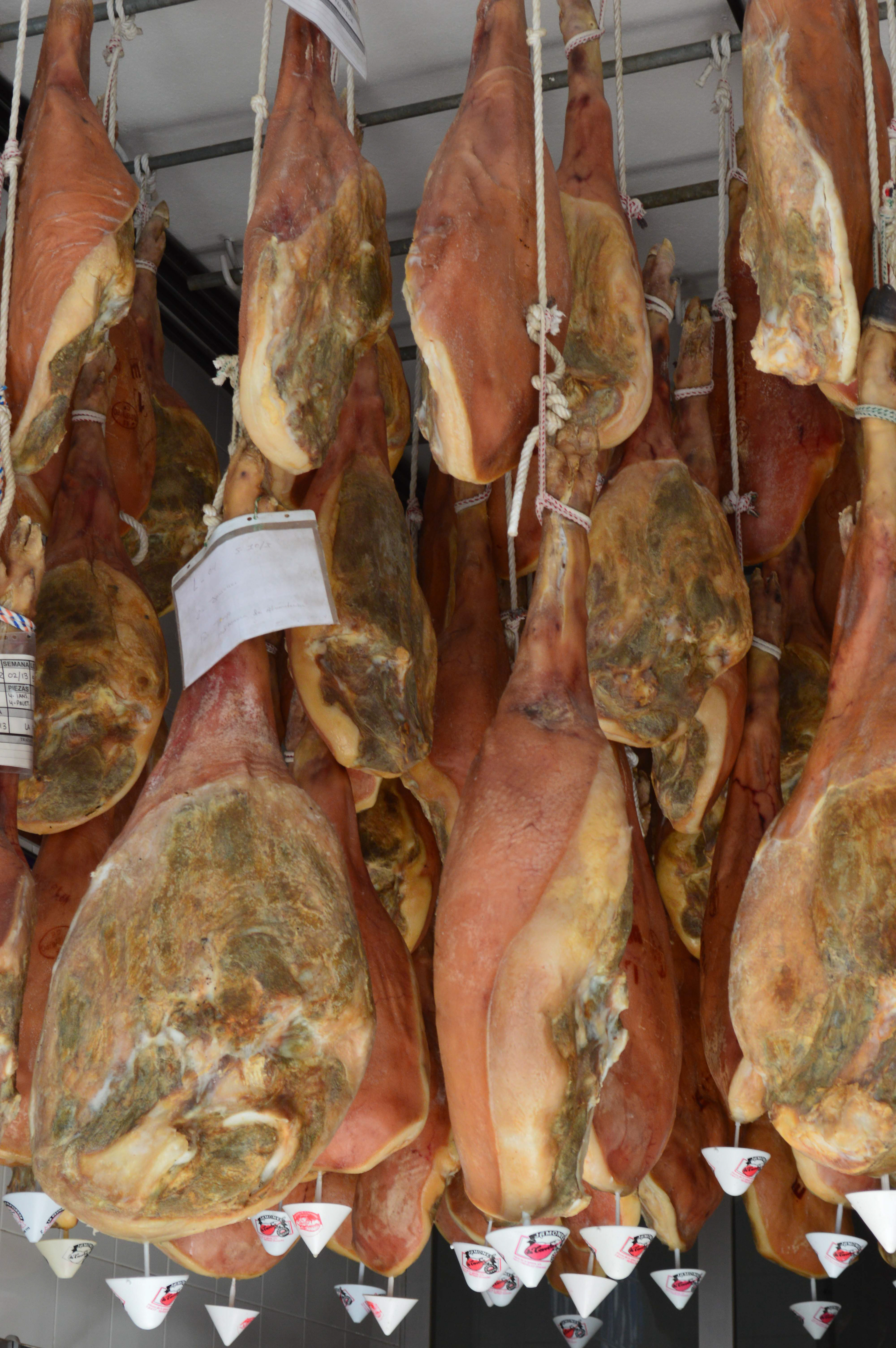
Serrano Ham, Spain
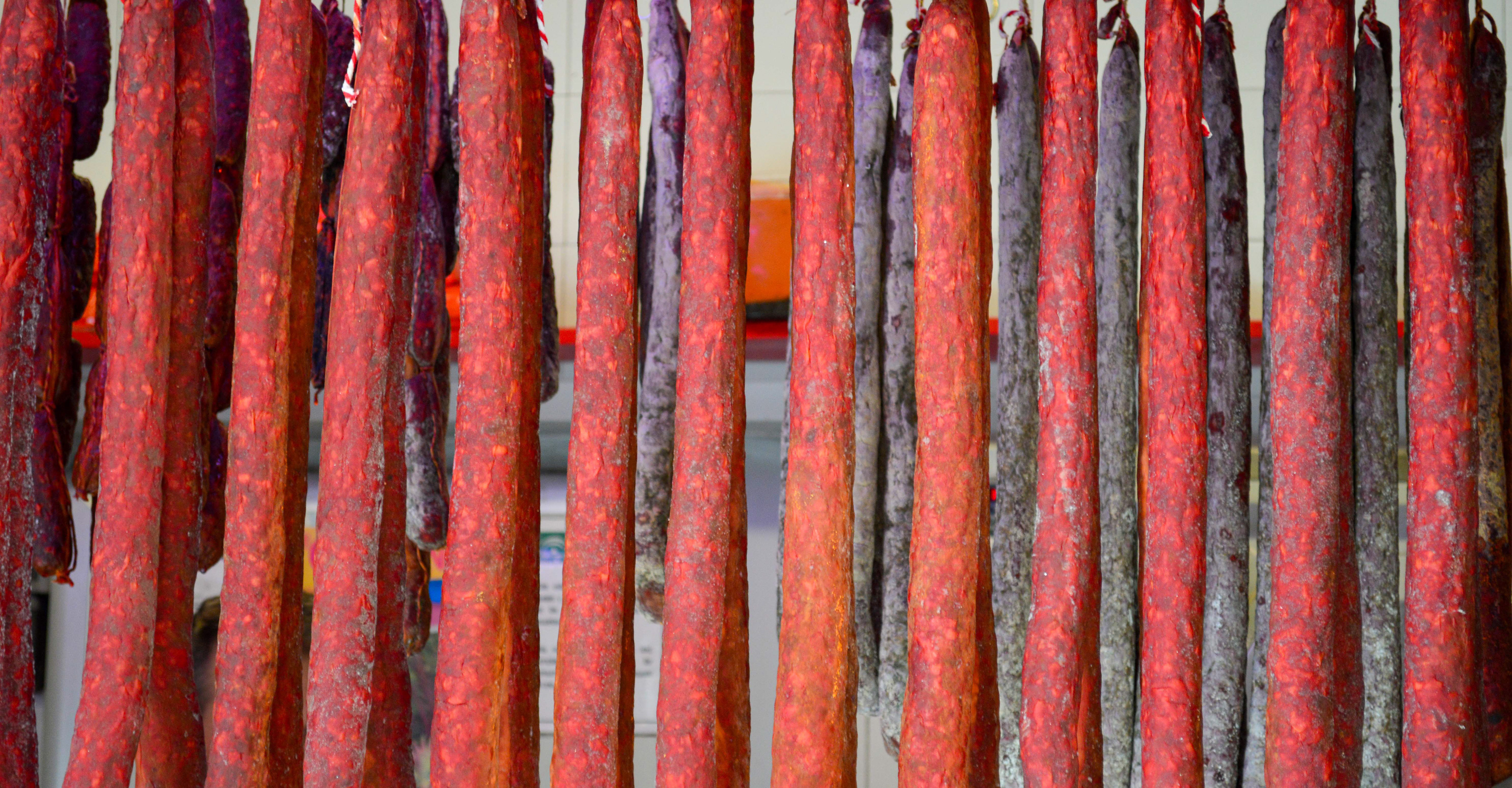
Chorizo in Cadiz Market
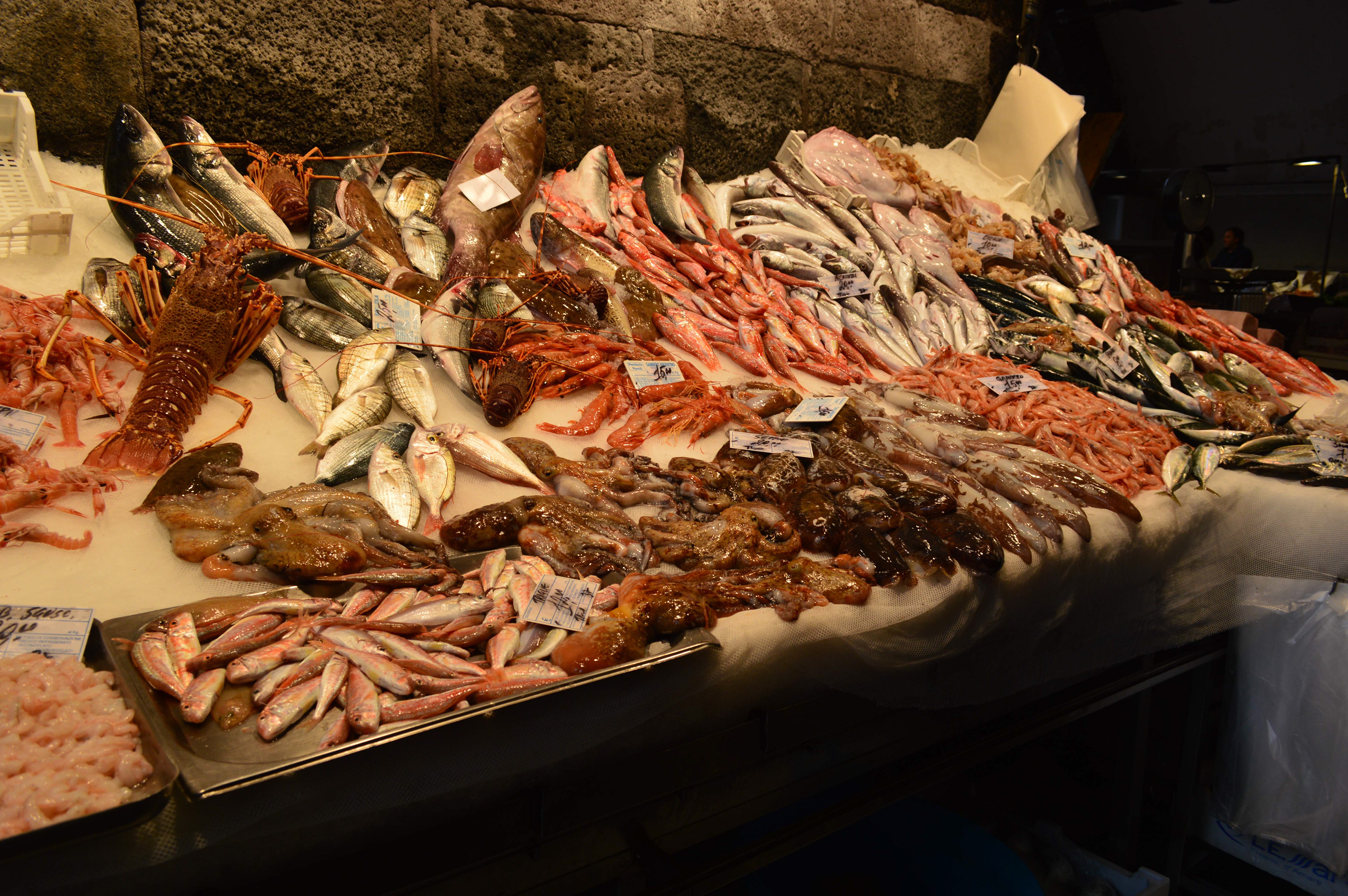
Fish Display in Catania Market
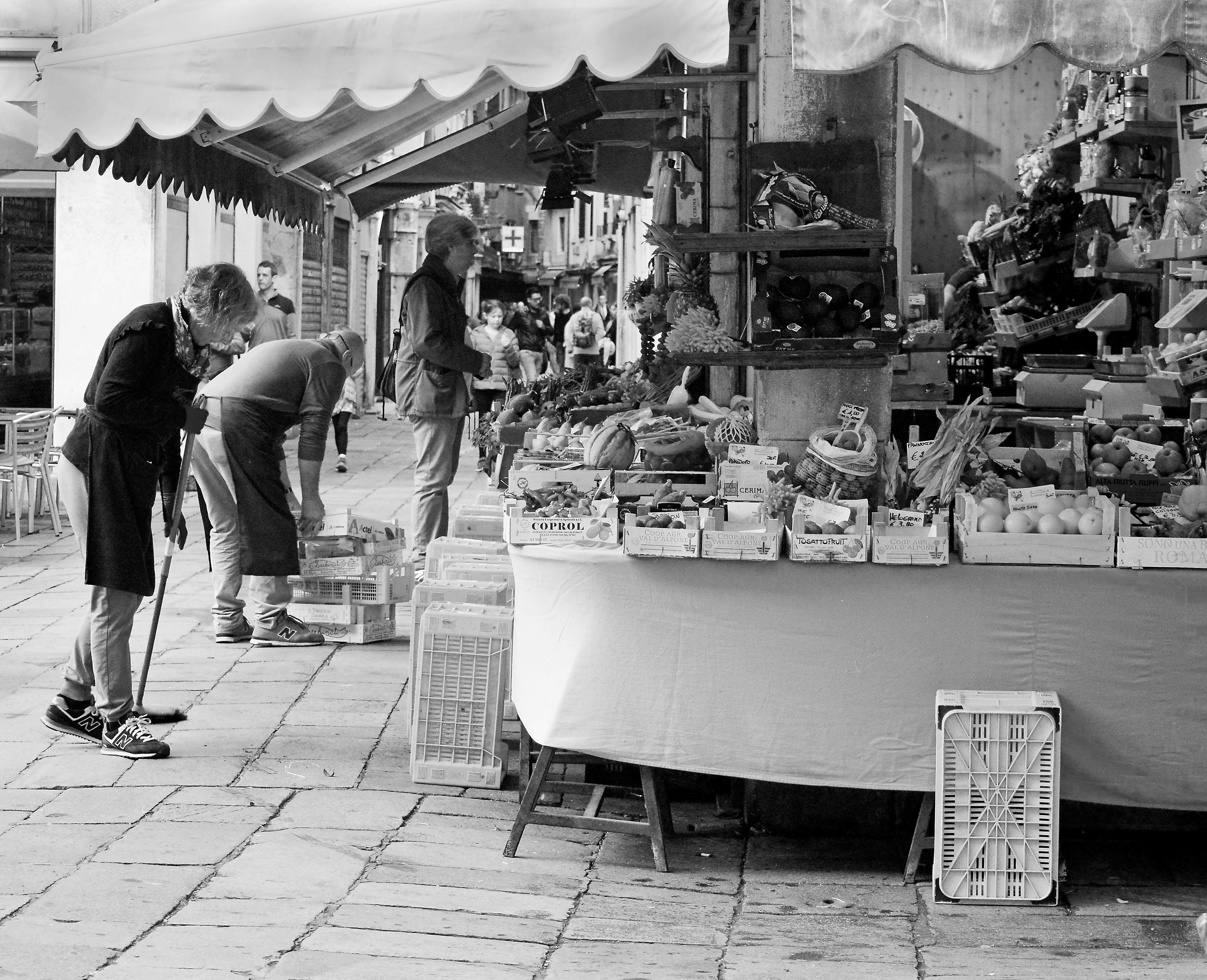
Getting stocked up in Venice Market
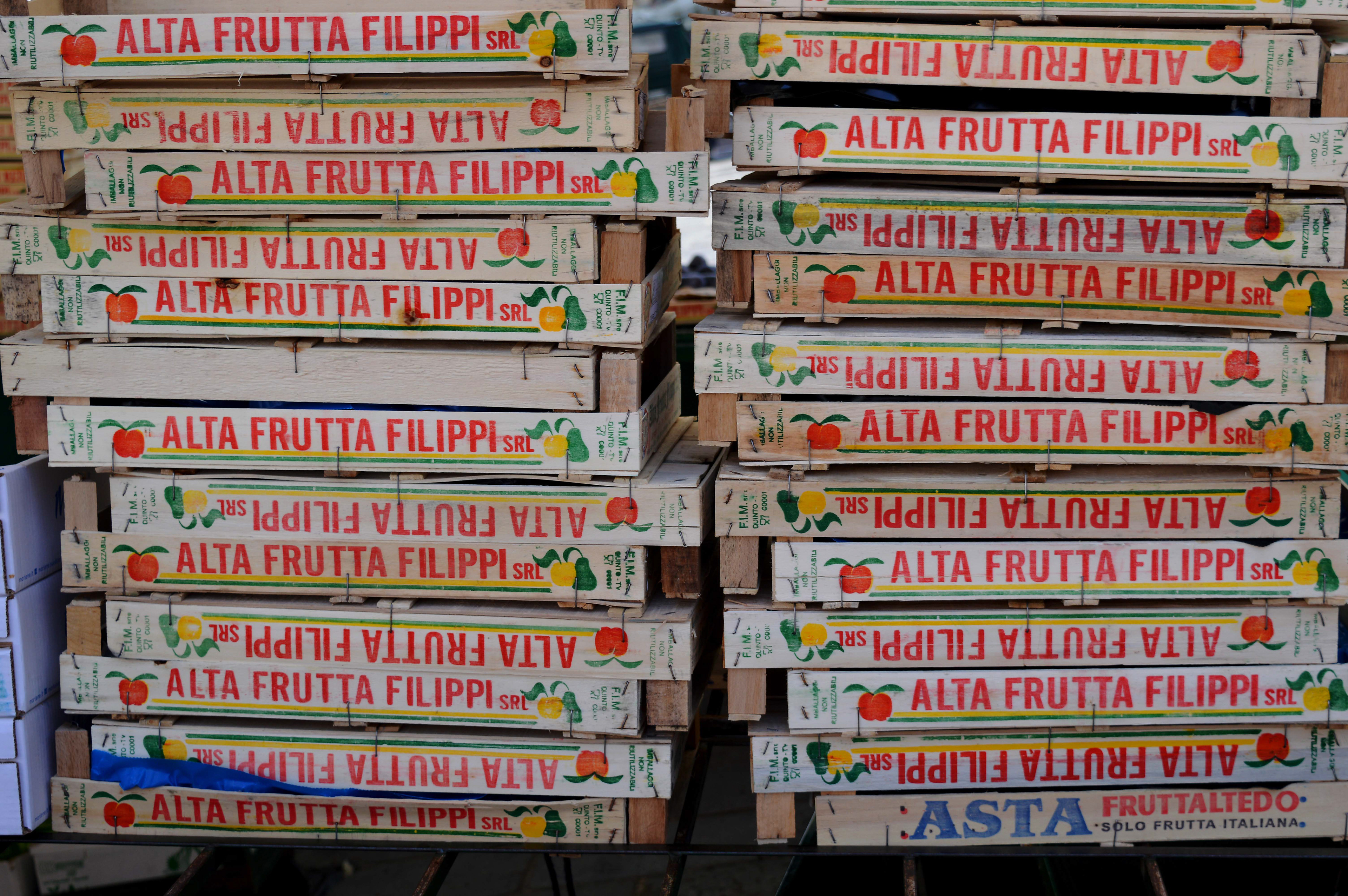
Empty boxes in Venice Market
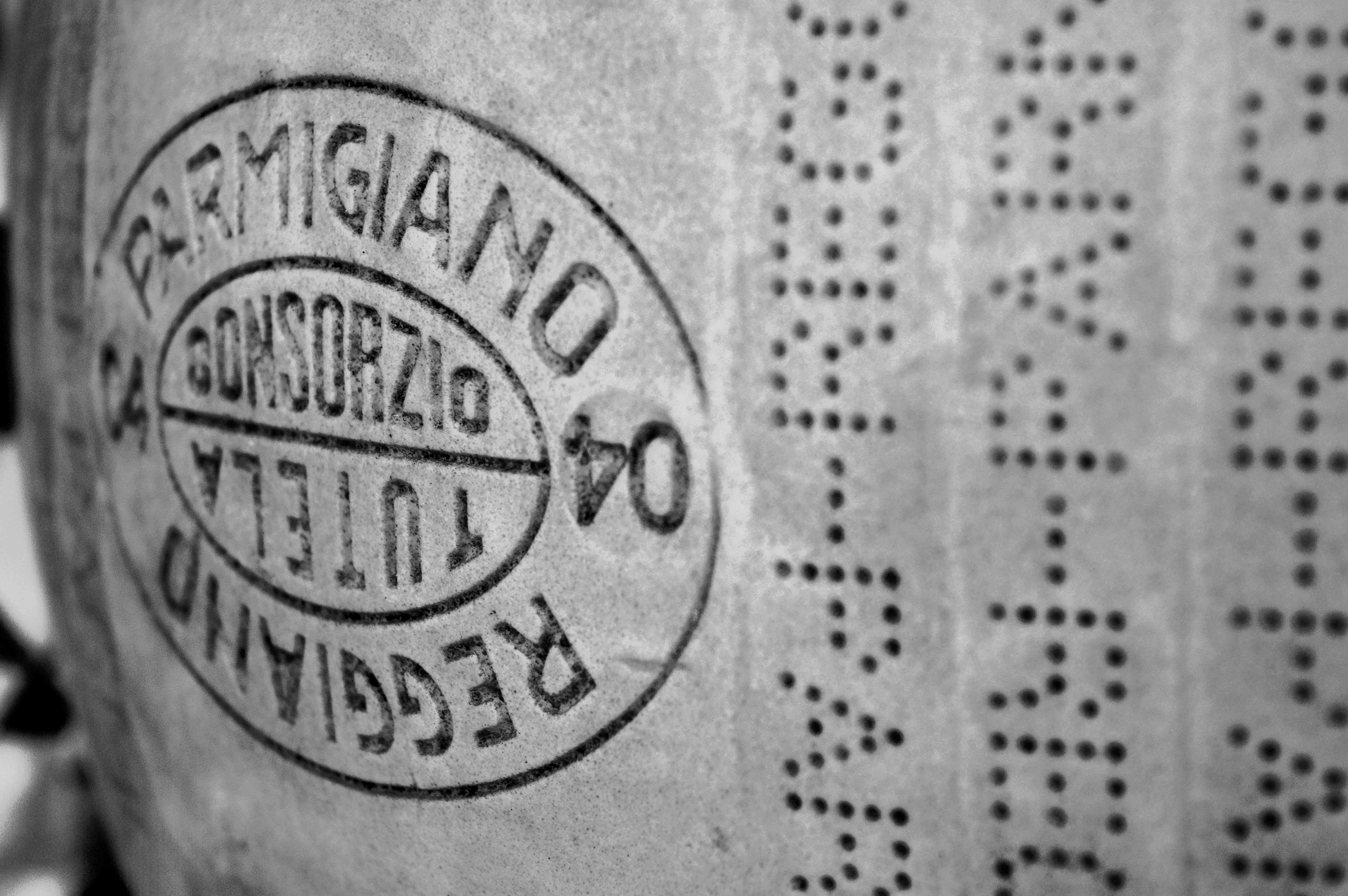
Parmesan in Parma
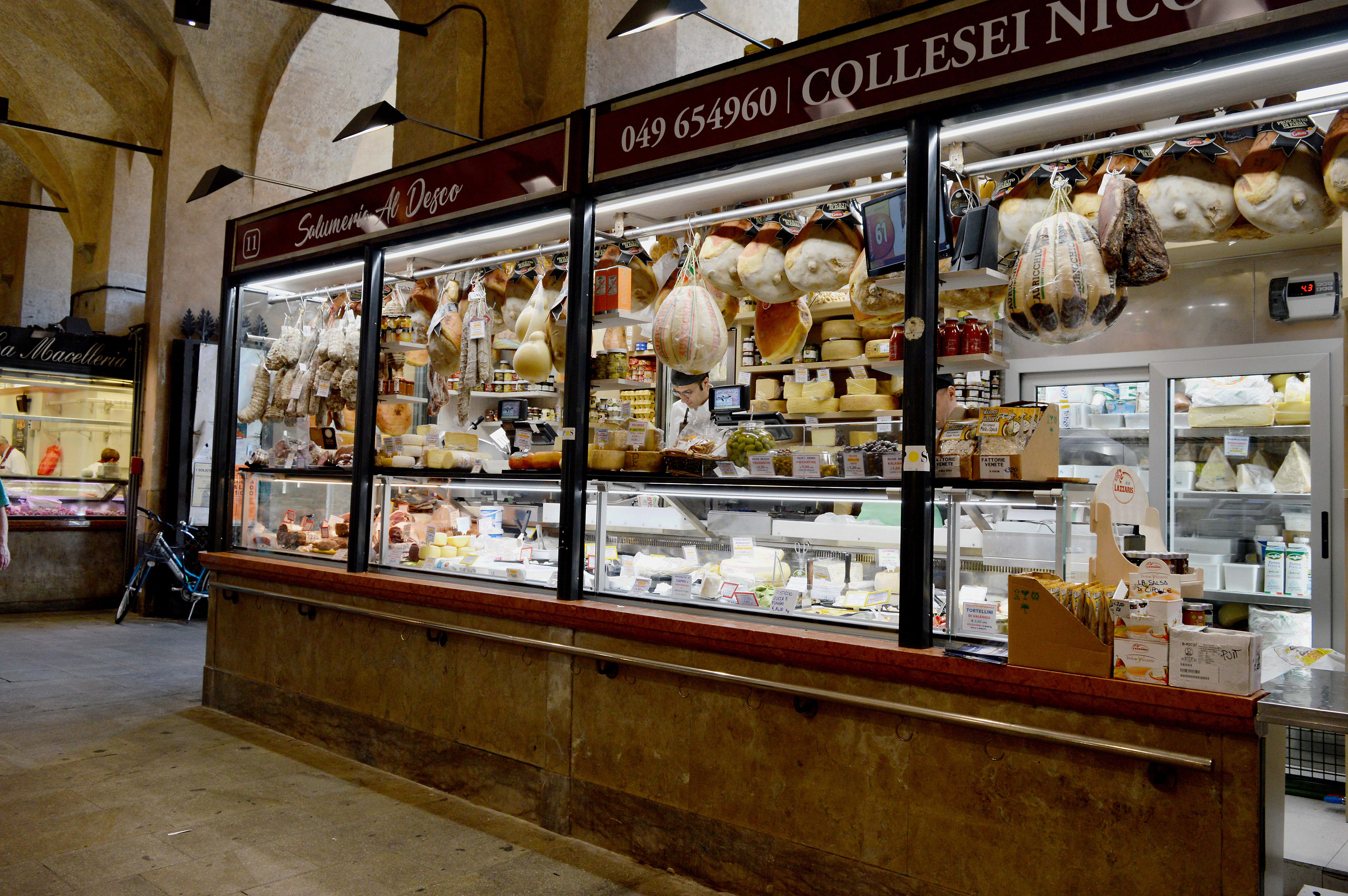
Market of Palazzo della Ragione, Padua
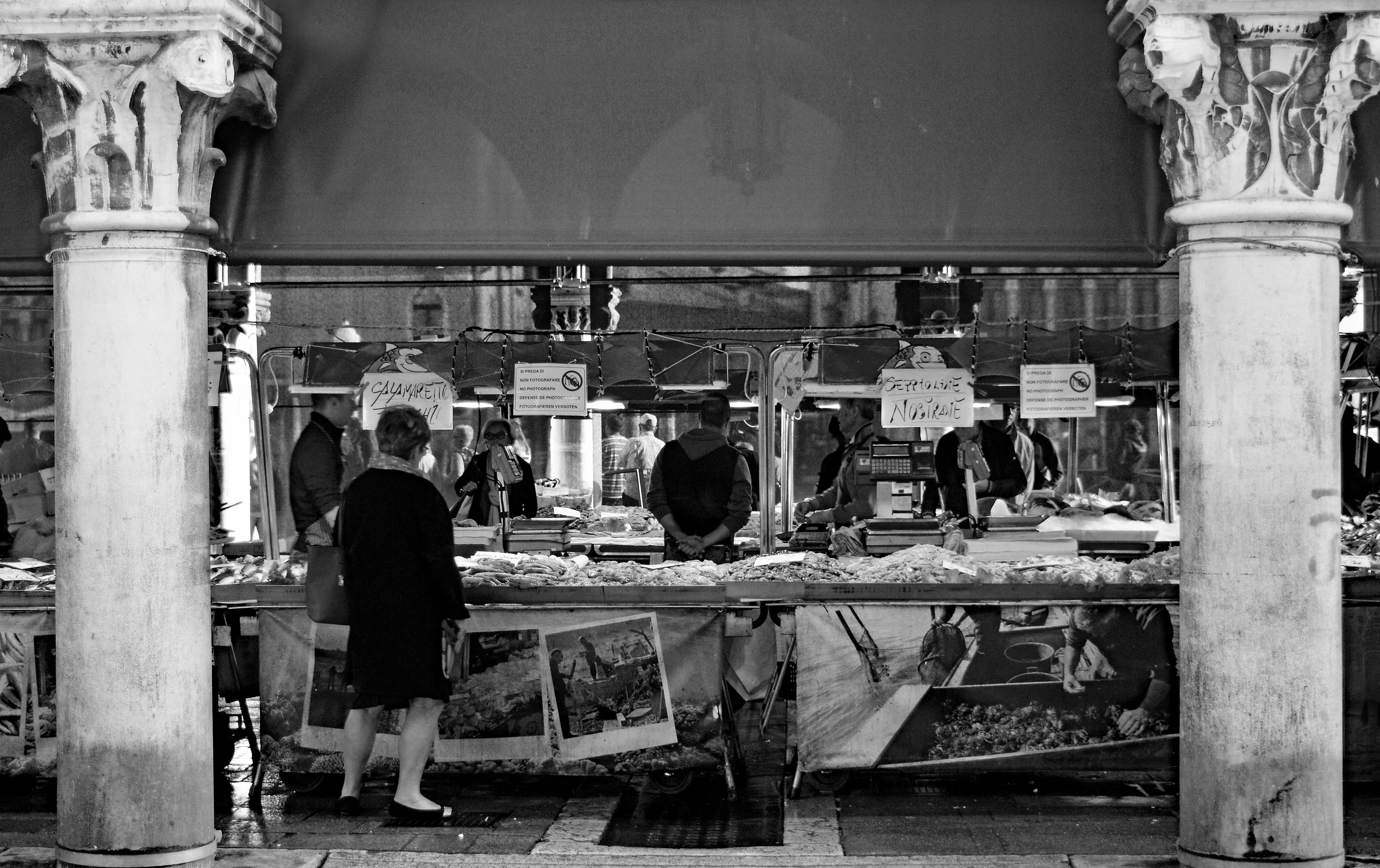
At the fish market, Venice
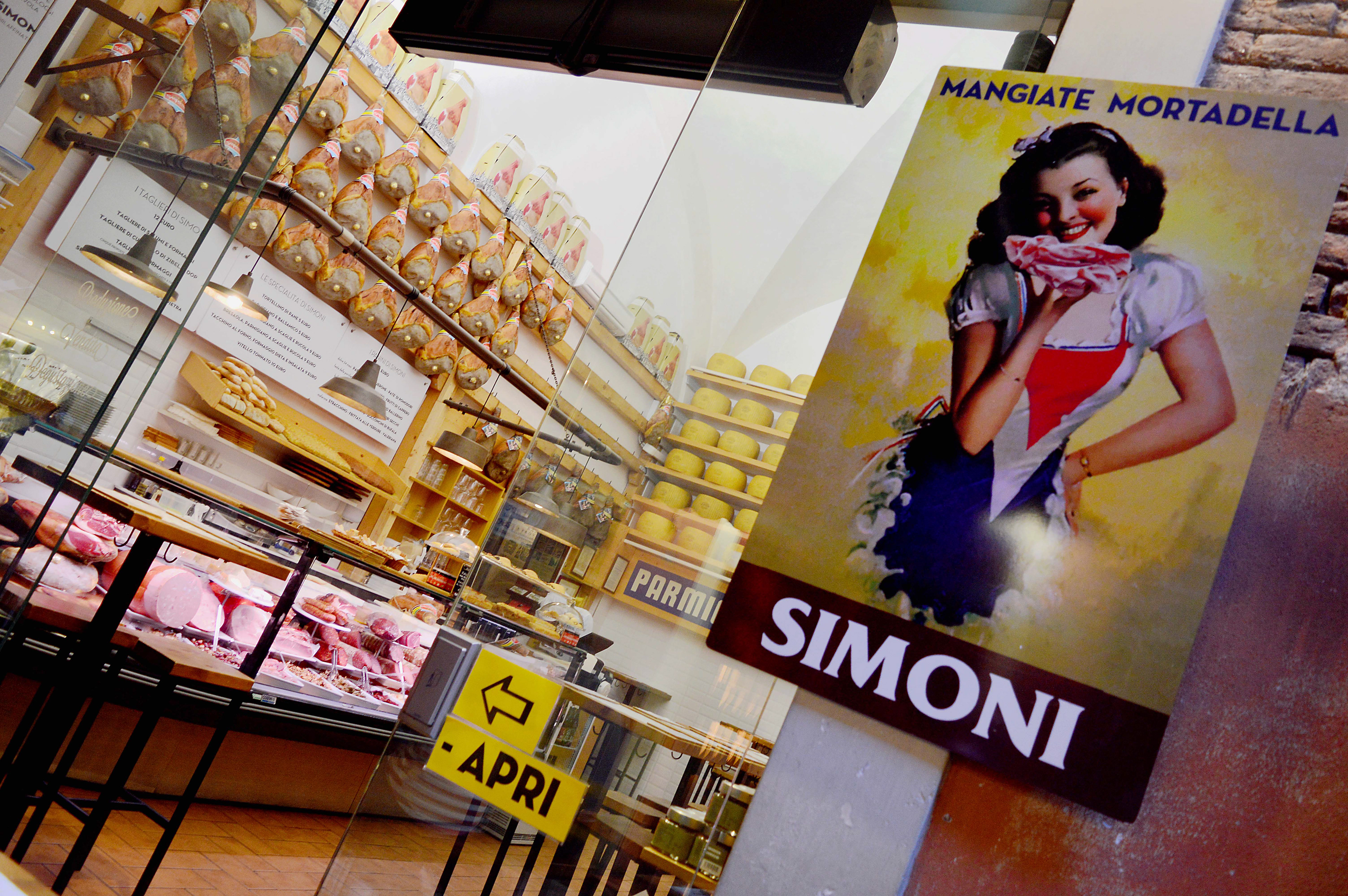
Bologna Market
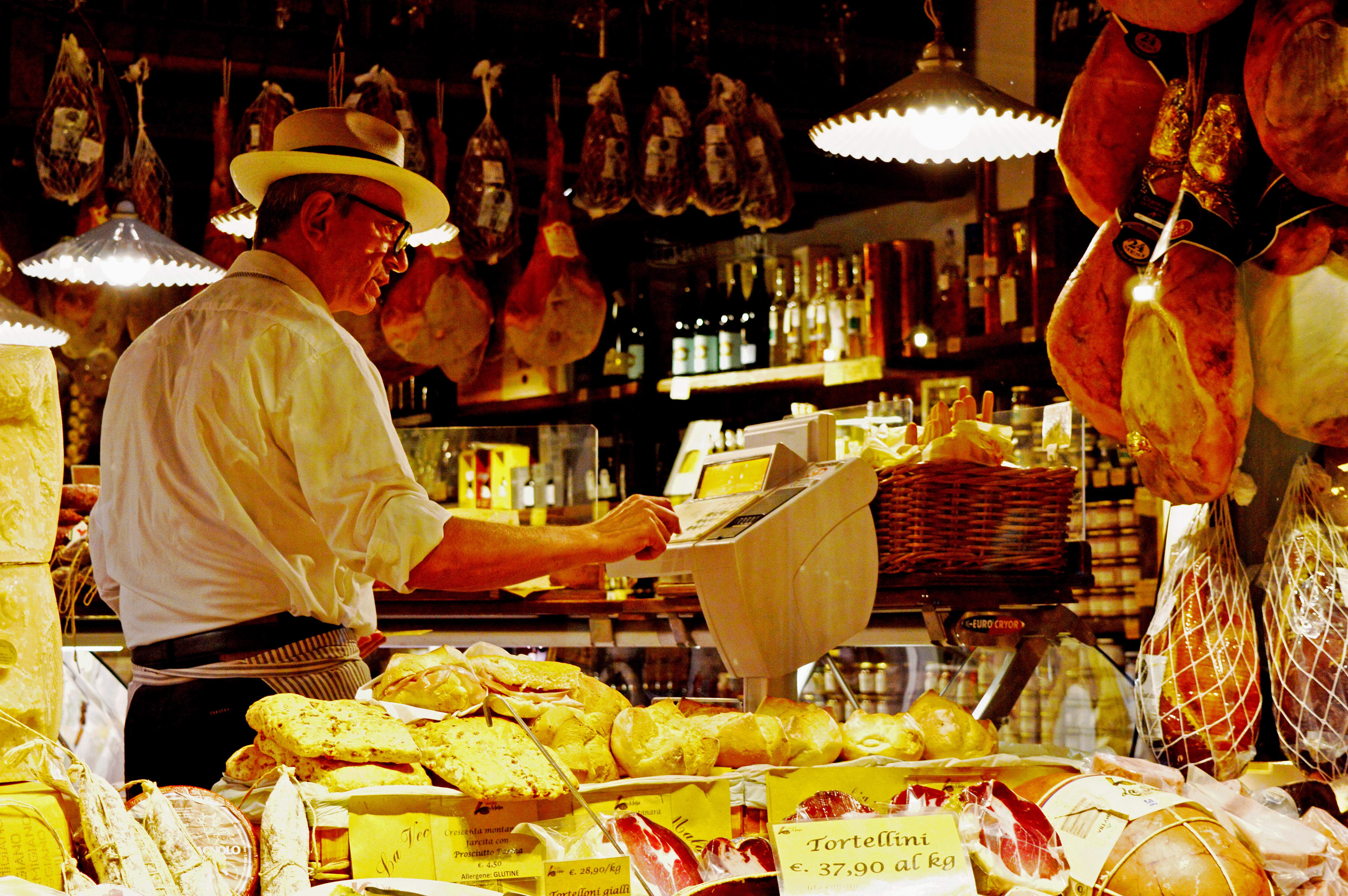
One man and his produce