Watching a live sumo wrestling basho (tournament) has been on my 'must do' list since I was a teenager and Channel 4 used to televise them. Finally after 35 years, I was able to tick it off when I managed to get tickets to a basho during a trip to Japan. I find the Sumo fascinating because it is unique in how it blends sport, religion, and tradition. Each match is not just a contest of strength, but also a continuation of centuries-old cultural practice.
During the basho I took about 500 photos and once we were home I sorted the pictures. In the end I speculatively entered 10 into the prestious World Sports Photography Awards Competition. I was totally shocked when one of them was shortlisted in the martial art section of the awards. I felt like I had won, to be honest. Below I have shared some of the photos from the basho and I have also put together a mini sumo guide for people who have no idea about this ancient sport.
Sumo is Japan’s oldest organized sport, with roots stretching back over 1,500 years. Its origins are tied to Shinto rituals, where early matches were performed to entertain the gods and pray for good harvests. These ceremonial contests were held at shrines and featured elements—many still present today—meant to purify the space and please the deities.
During the basho I took about 500 photos and once we were home I sorted the pictures. In the end I speculatively entered 10 into the prestious World Sports Photography Awards Competition. I was totally shocked when one of them was shortlisted in the martial art section of the awards. I felt like I had won, to be honest. Below I have shared some of the photos from the basho and I have also put together a mini sumo guide for people who have no idea about this ancient sport.
Sumo is Japan’s oldest organized sport, with roots stretching back over 1,500 years. Its origins are tied to Shinto rituals, where early matches were performed to entertain the gods and pray for good harvests. These ceremonial contests were held at shrines and featured elements—many still present today—meant to purify the space and please the deities.
By the 8th century, sumo became part of the imperial court, performed during official ceremonies. Later, during Japan’s feudal era, it evolved into a form of military training for samurai. In the Edo period, sumo transitioned into a professional sport, attracting large public audiences and establishing formal rankings, rules, and tournaments. This period shaped sumo into the structured competition we recognize today.
In modern times, sumo remains deeply traditional while functioning as a professional sport governed by the Japan Sumo Association, with major tournaments held six times a year.
Sumo is rich in symbolism, much of it derived from Shinto practices. Before the programme of bouts begin high-ranking wrestlers wear elaborate aprons (kesho-mawashi) during ring-entering ceremonies. For matches at the highest rank, a wrestler from this Yokozuna rank performs a special ring-entering ceremony featuring a distinctive rope belt, emphasizing their role as both champion and cultural symbol.
Sumo is rich in symbolism, much of it derived from Shinto practices. Before the programme of bouts begin high-ranking wrestlers wear elaborate aprons (kesho-mawashi) during ring-entering ceremonies. For matches at the highest rank, a wrestler from this Yokozuna rank performs a special ring-entering ceremony featuring a distinctive rope belt, emphasizing their role as both champion and cultural symbol.
A sumo match takes place in a circular ring called a dohyo, about 4.5 metres in diameter. The goal is simple: force your opponent out of the ring or make any part of their body (other than the soles of their feet) touch the ground.
Wrestlers (called rikishi) face off from crouched positions. They charge at the signal and attempt to overpower or out manoeuvre each other. Matches are usually very short—often just a few seconds.There are no weight classes in professional sumo, so size and strength can be major advantages.
As each match starts, salt is thrown into the ring to cleanse it of evil spirits. There then follows lots of rituals such as the stomping where wrestlers lift and stomp their legs to drive away harmful spirits and clapping and other gestures are meant to attract the attention of the gods and demonstrate purity. Quite often these customs last longer than the bouts. There is also an element of wrestlers trying to 'psyche' their opponent out during these moments.
At the end of the match the referee (gyoji) points his war fan (gunbai) towards the winner's side. The two wrestlers return to their starting positions inside the ring, bow to each other, and the loser exits. The winner squats down and performs a three-stroke hand-sweeping motion in the air, known as tegatana, to acknowledge the victory. If the match was sponsored, the referee hands over envelopes containing prize money (kenshokin) to the winner on his fan, which the winner takes with another tegatana motion. If a high-ranking wrestler loses to a much lower-ranked one, it is traditional for the audience to throw their seat cushions into the ring, although this is technically prohibited.
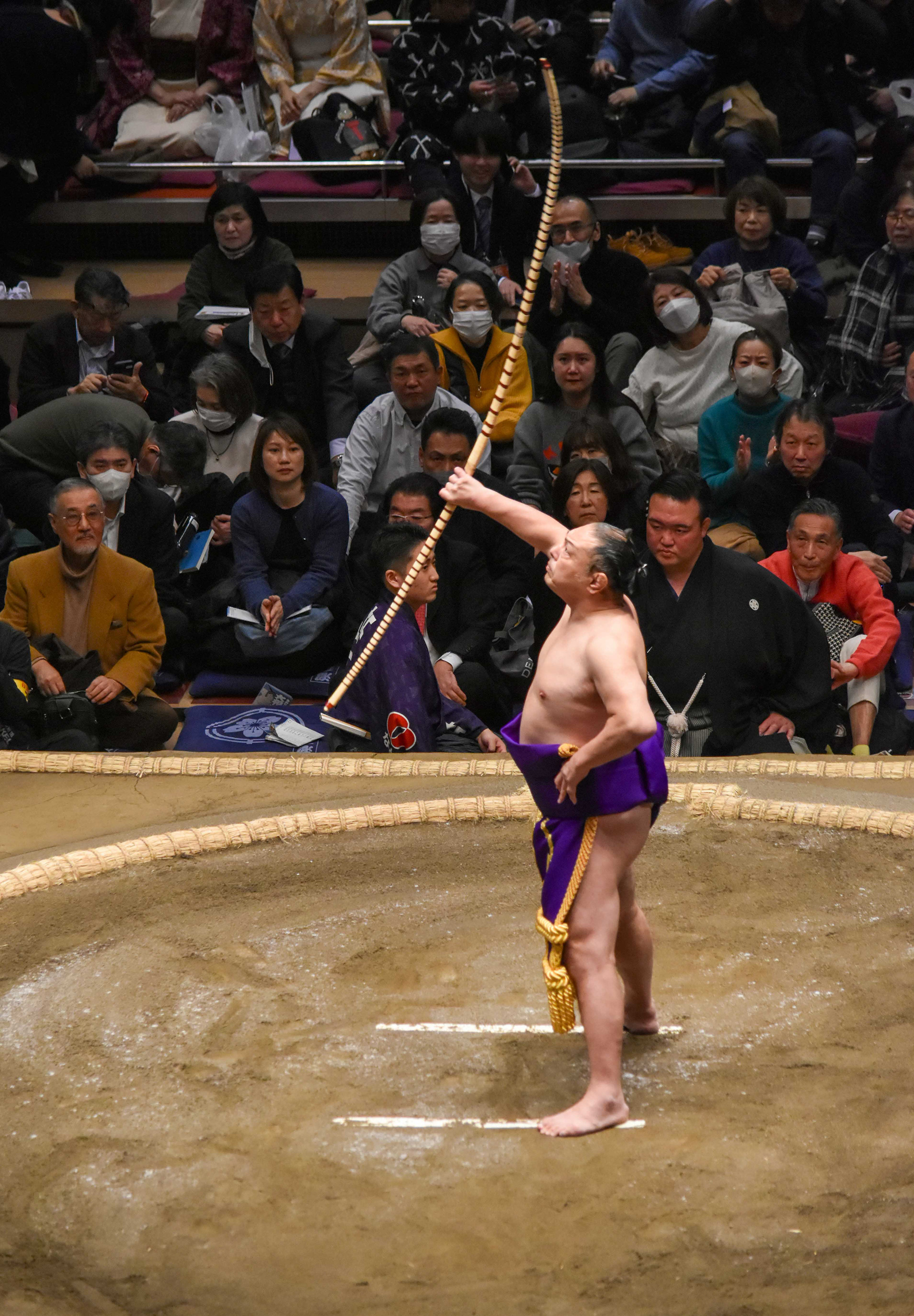
After the final match of the day, a special ceremony called the yumitori-shiki (bow dance) is performed by a designated wrestler to represent the day's victors.
We were fortunate to see all these features during our visit, including the usually reserved Japanese people throwing the cushions when the Yokozuna wrestler lost to a much smaller opponent in the final match. The whole afternoon was a truly memorable and special experience.
As each match starts, salt is thrown into the ring to cleanse it of evil spirits. There then follows lots of rituals such as the stomping where wrestlers lift and stomp their legs to drive away harmful spirits and clapping and other gestures are meant to attract the attention of the gods and demonstrate purity. Quite often these customs last longer than the bouts. There is also an element of wrestlers trying to 'psyche' their opponent out during these moments.
At the end of the match the referee (gyoji) points his war fan (gunbai) towards the winner's side. The two wrestlers return to their starting positions inside the ring, bow to each other, and the loser exits. The winner squats down and performs a three-stroke hand-sweeping motion in the air, known as tegatana, to acknowledge the victory. If the match was sponsored, the referee hands over envelopes containing prize money (kenshokin) to the winner on his fan, which the winner takes with another tegatana motion. If a high-ranking wrestler loses to a much lower-ranked one, it is traditional for the audience to throw their seat cushions into the ring, although this is technically prohibited.
After the final match of the day, a special ceremony called the yumitori-shiki (bow dance) is performed by a designated wrestler to represent the day's victors.
We were fortunate to see all these features during our visit, including the usually reserved Japanese people throwing the cushions when the Yokozuna wrestler lost to a much smaller opponent in the final match. The whole afternoon was a truly memorable and special experience.
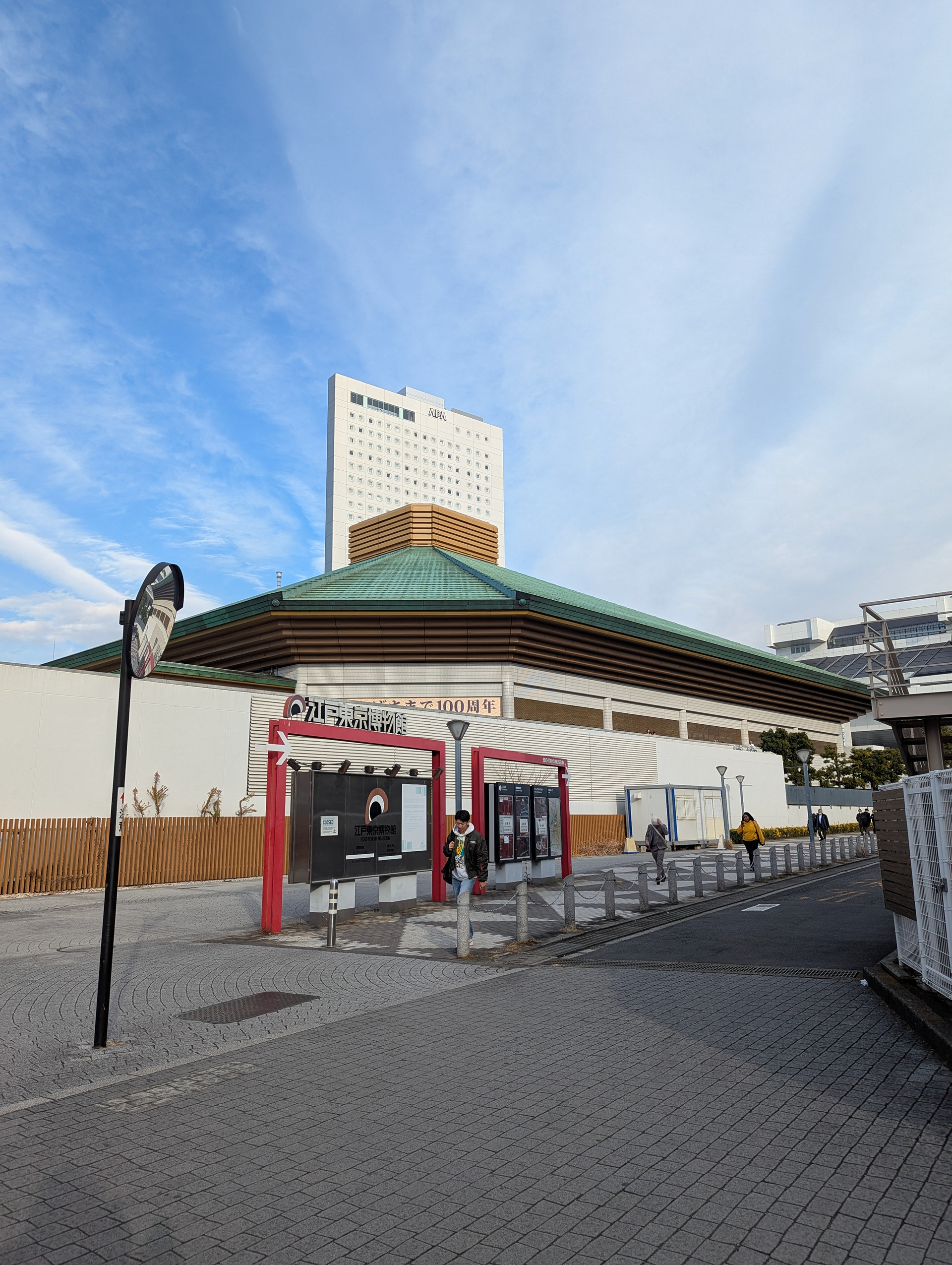
Ryogoku Kokugikan Sumo Stadium
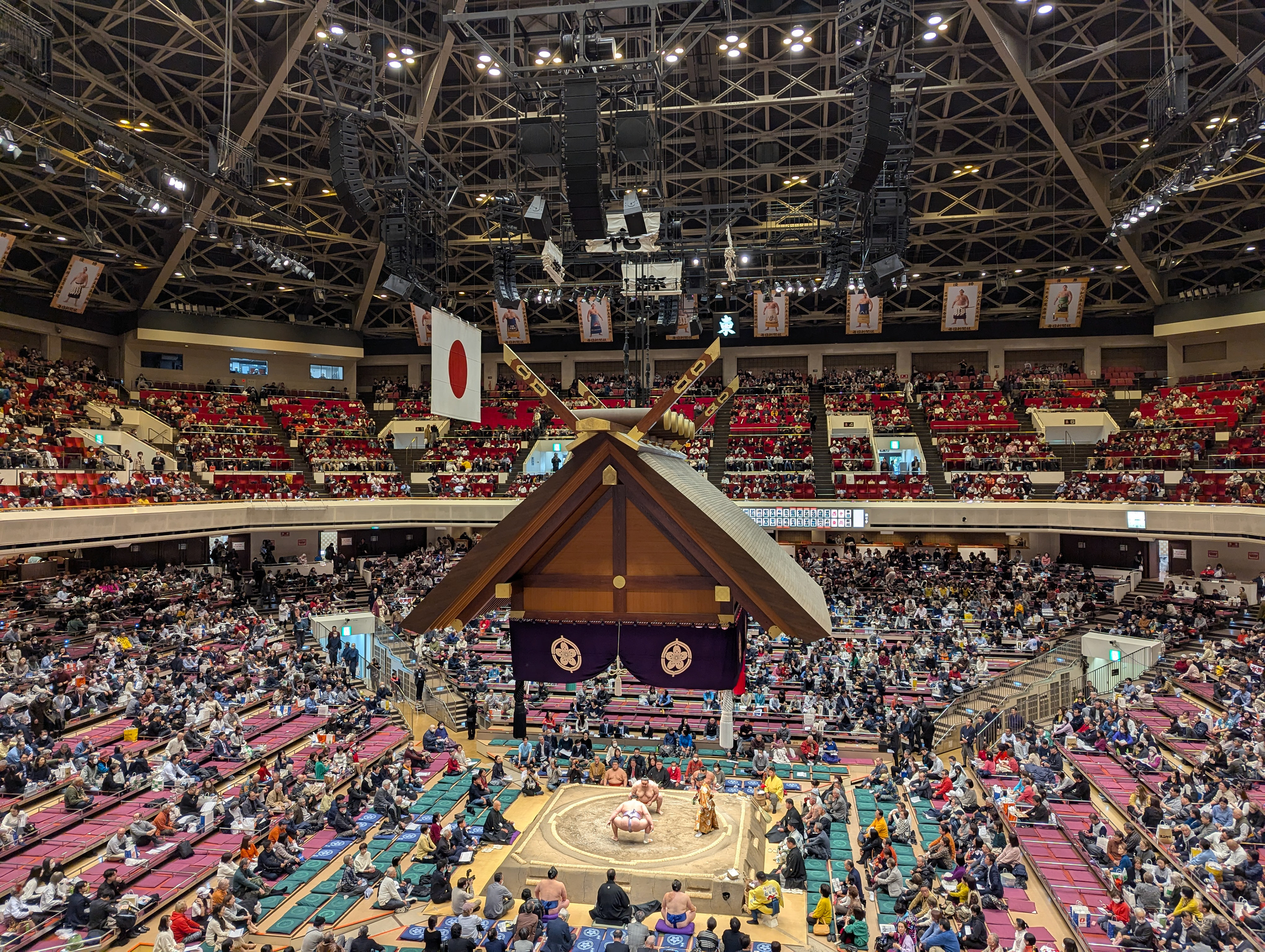
Ryogoku Kokugikan Sumo Stadium
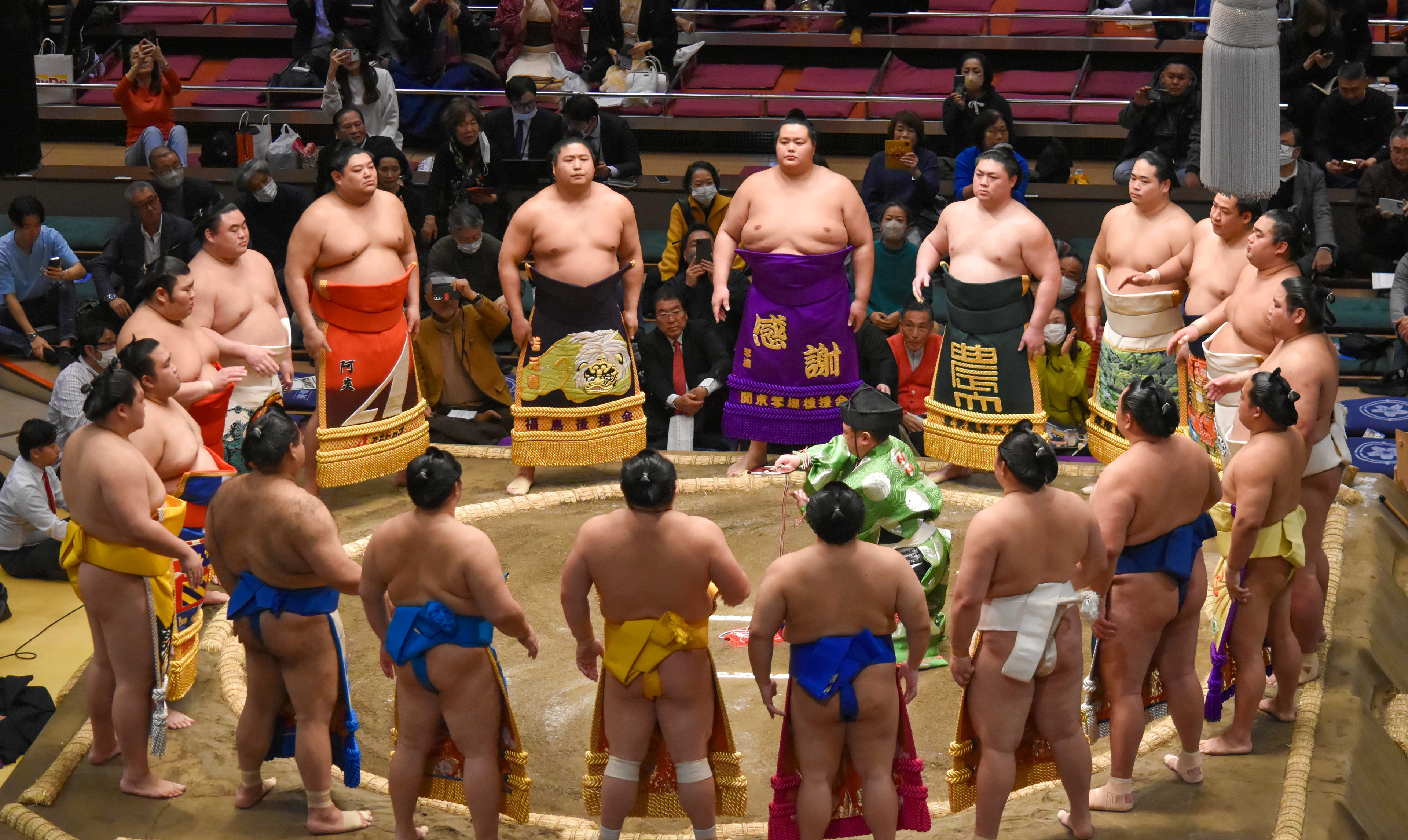
The opening ceremony
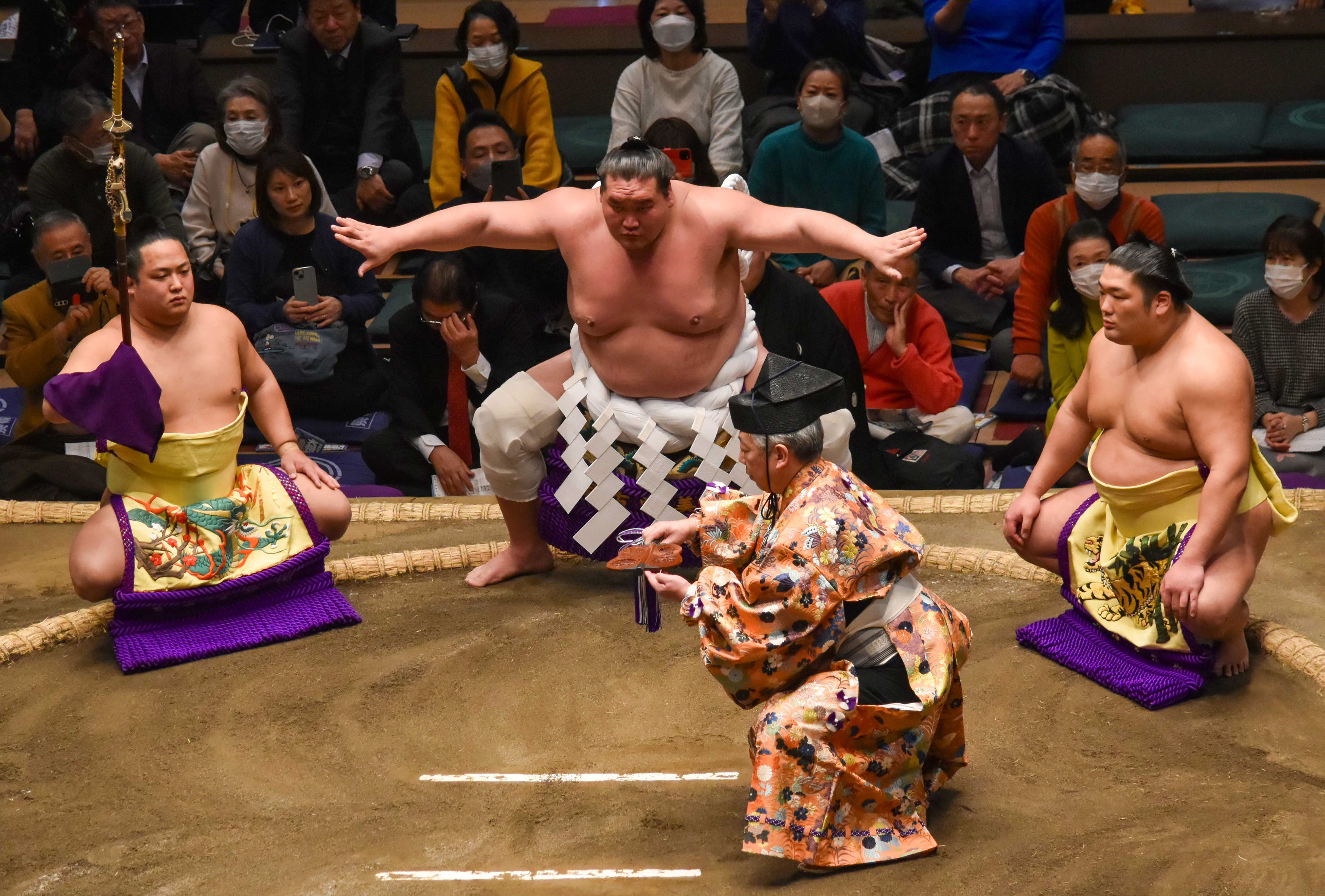
The Yokozuna ceremony
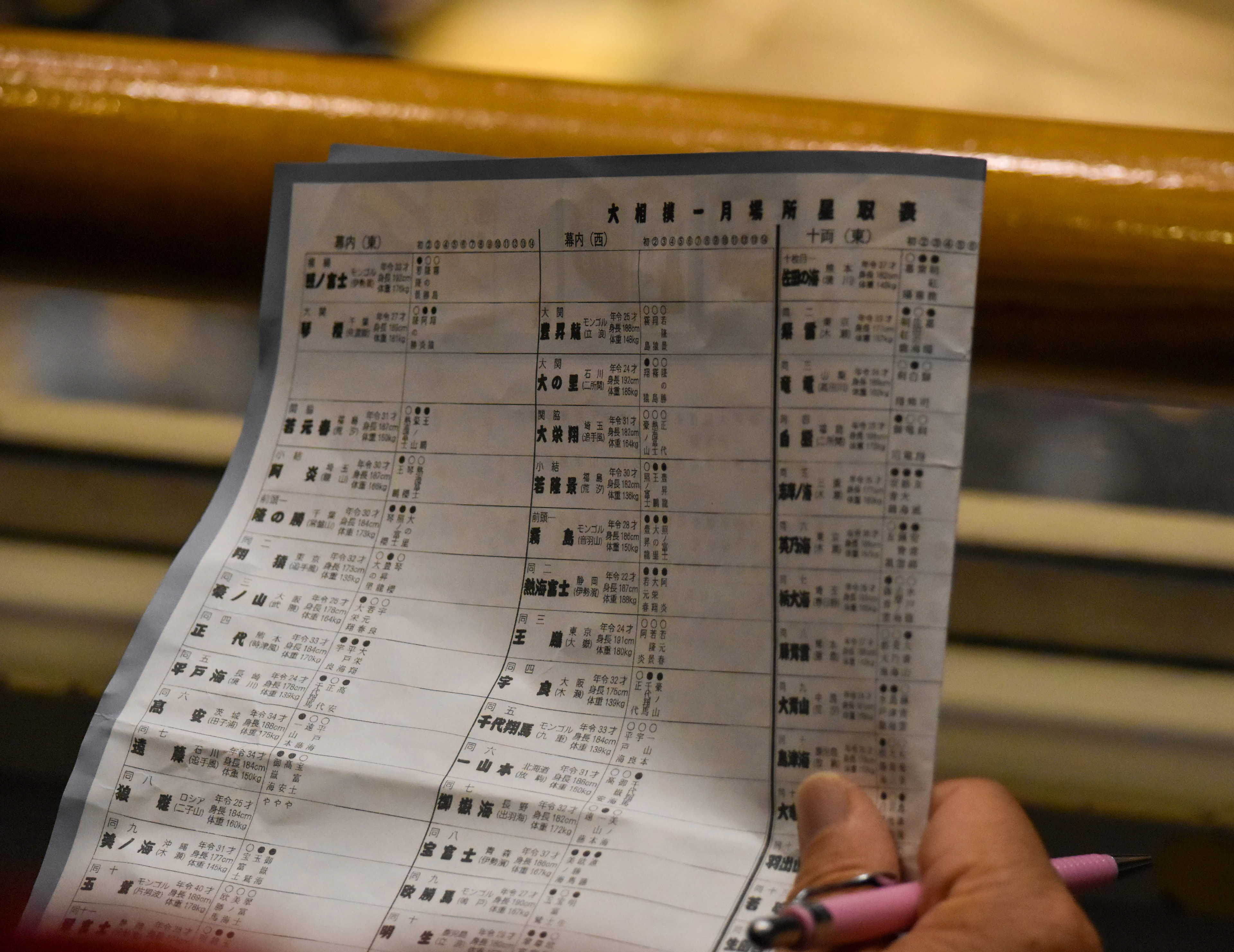
The Fight Card
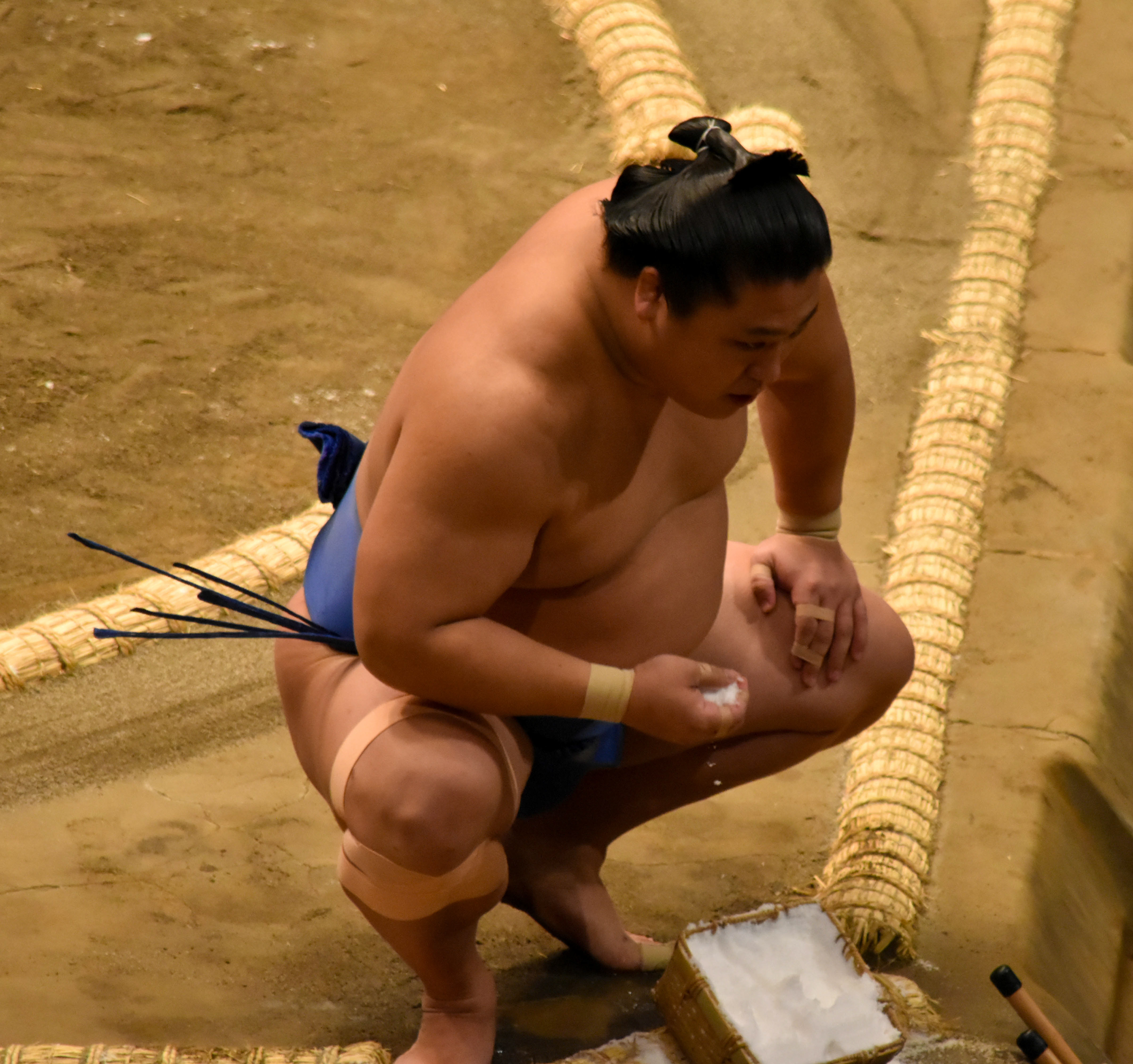
A wrestler getting the salt to purify the ring
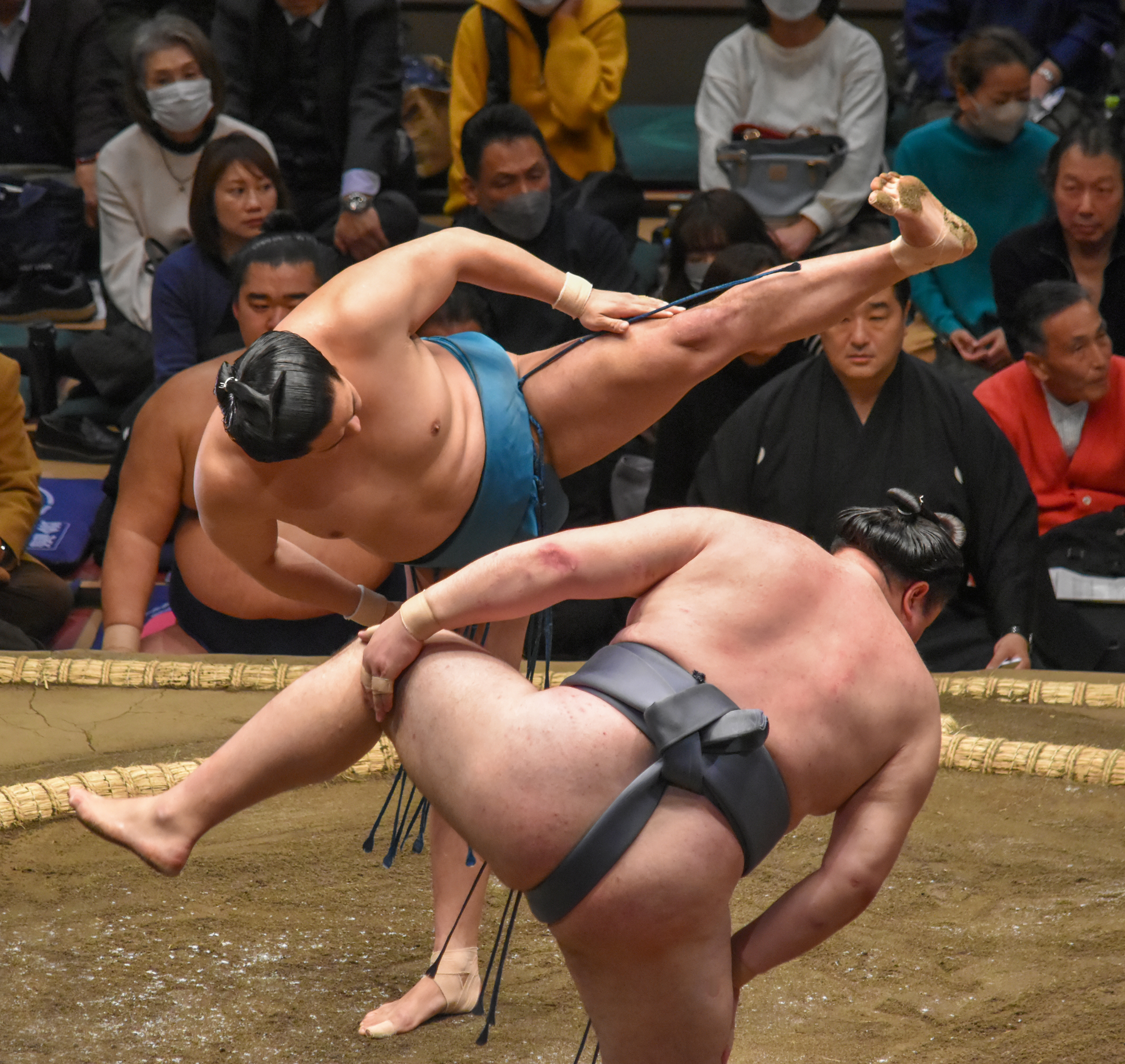
The stomping begins
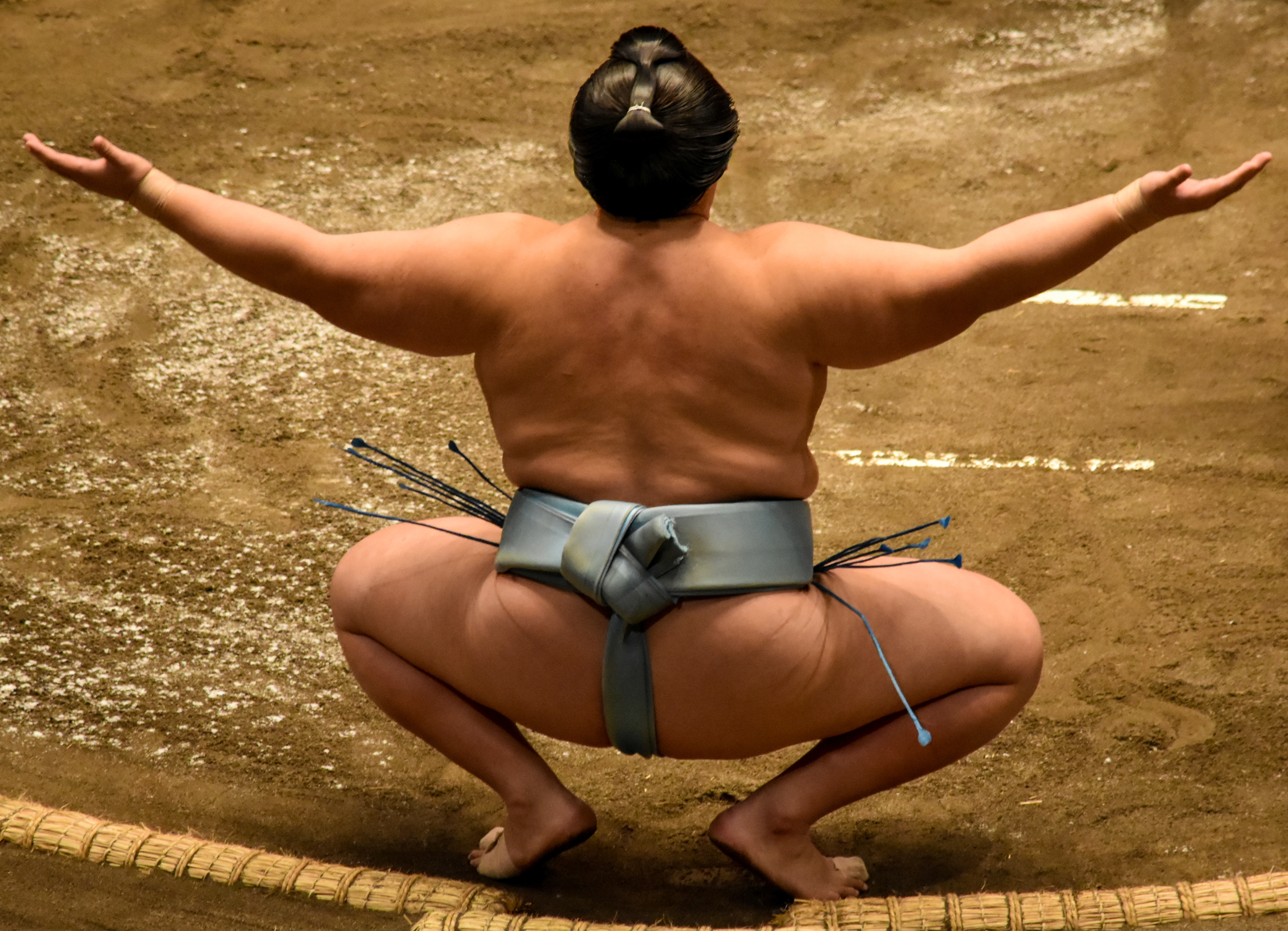
Opening rituals
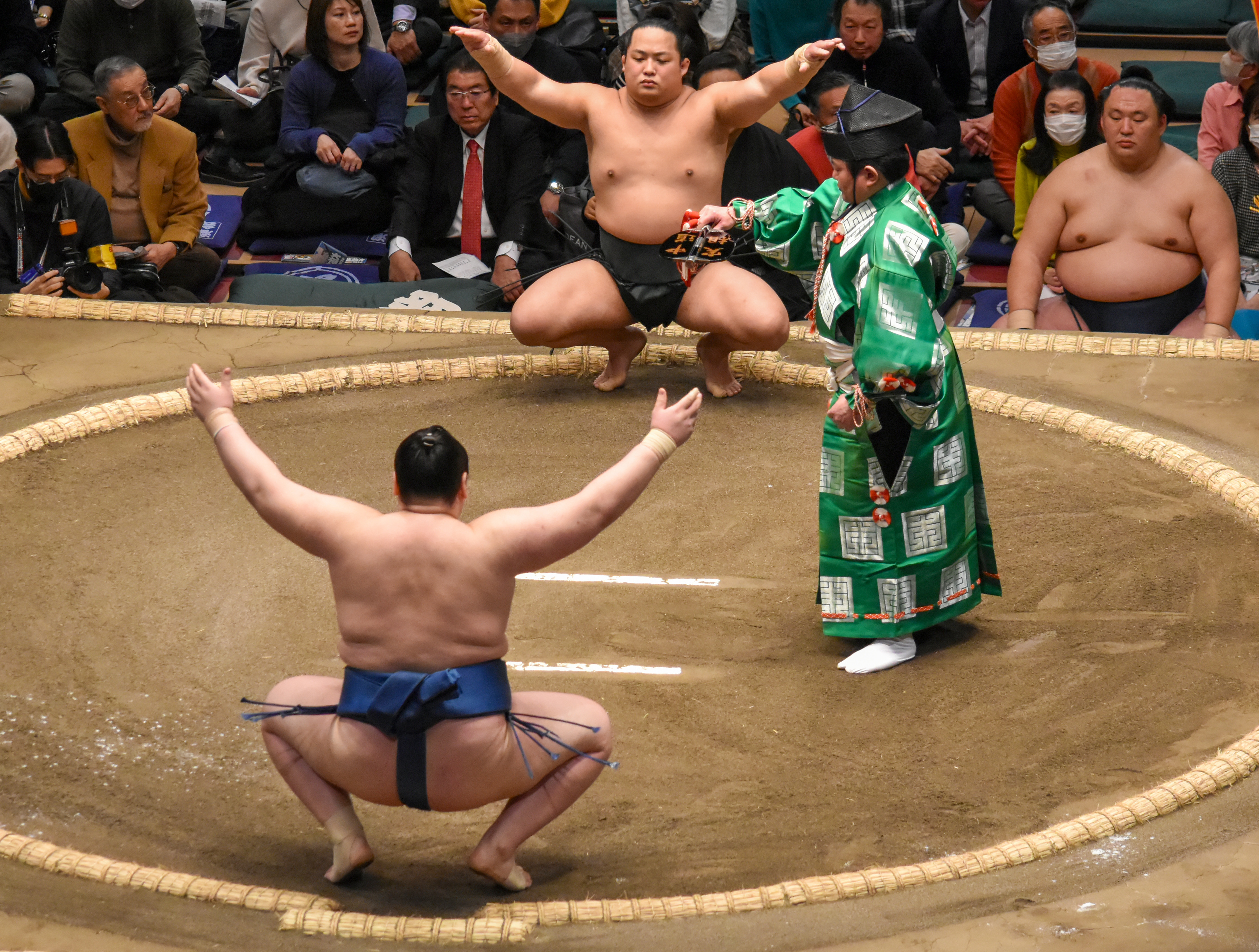
Opening rituals under the watchful eye of the referee
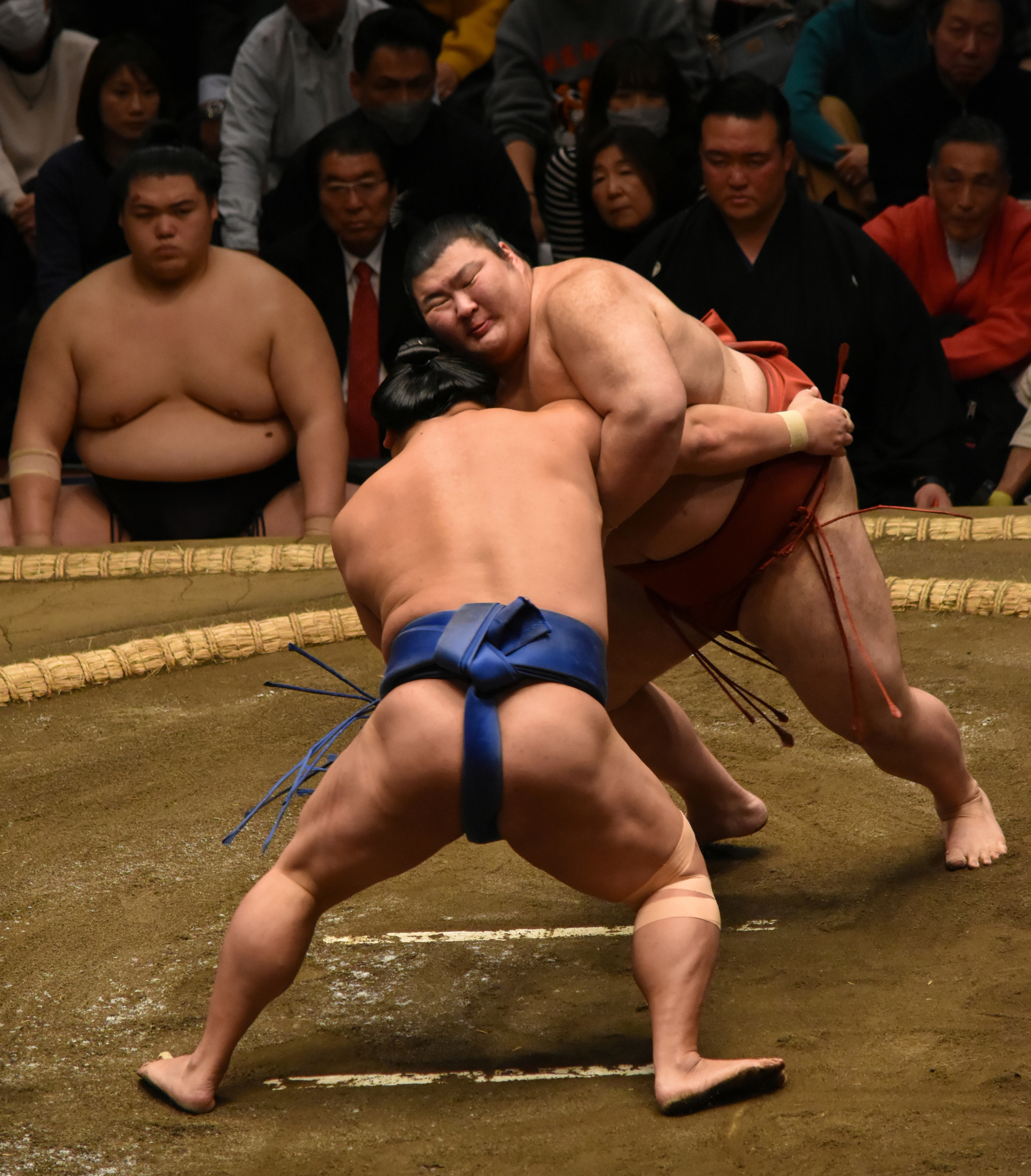
The fighting begins
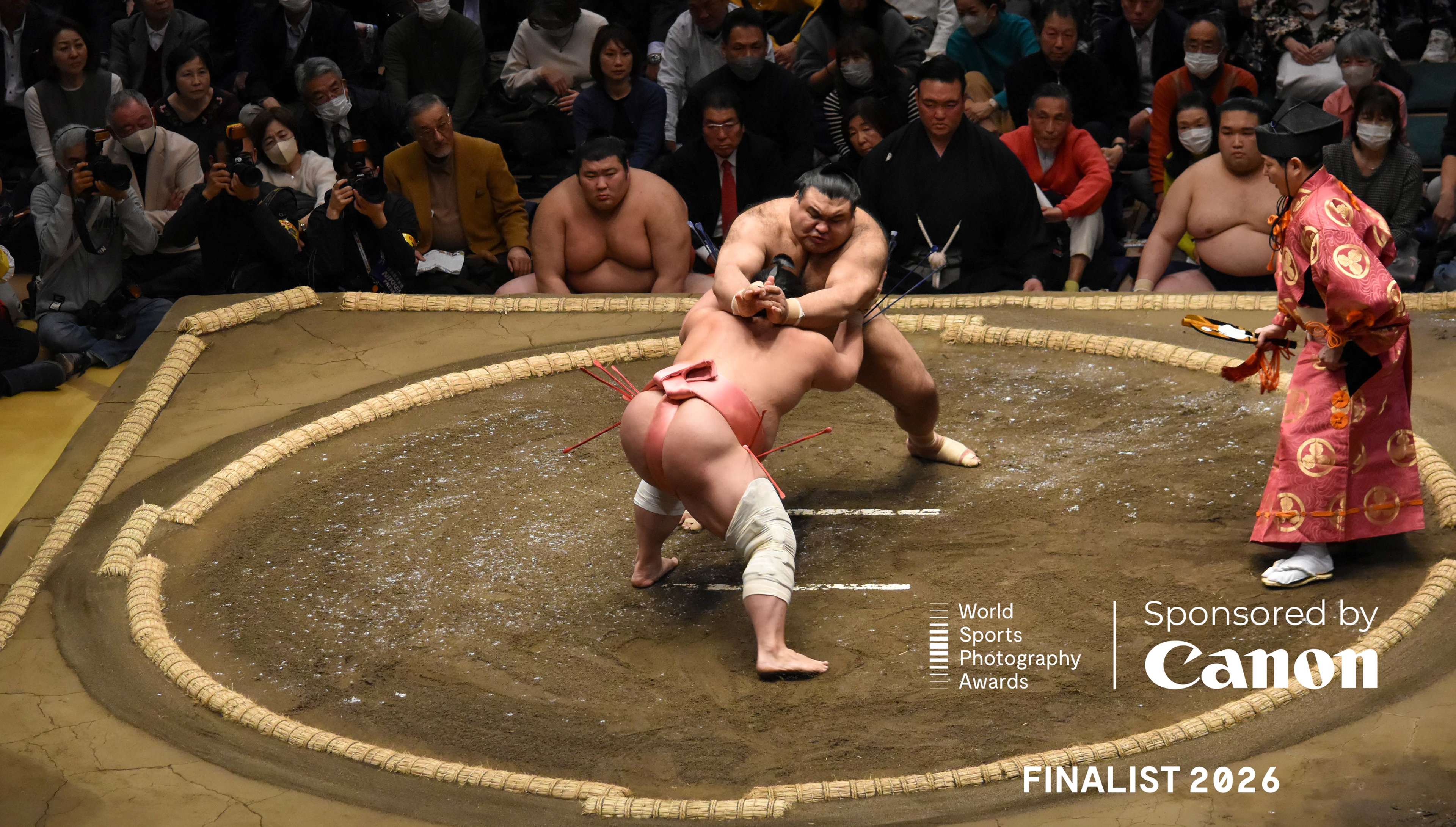
The Grapple - My shortlisted image
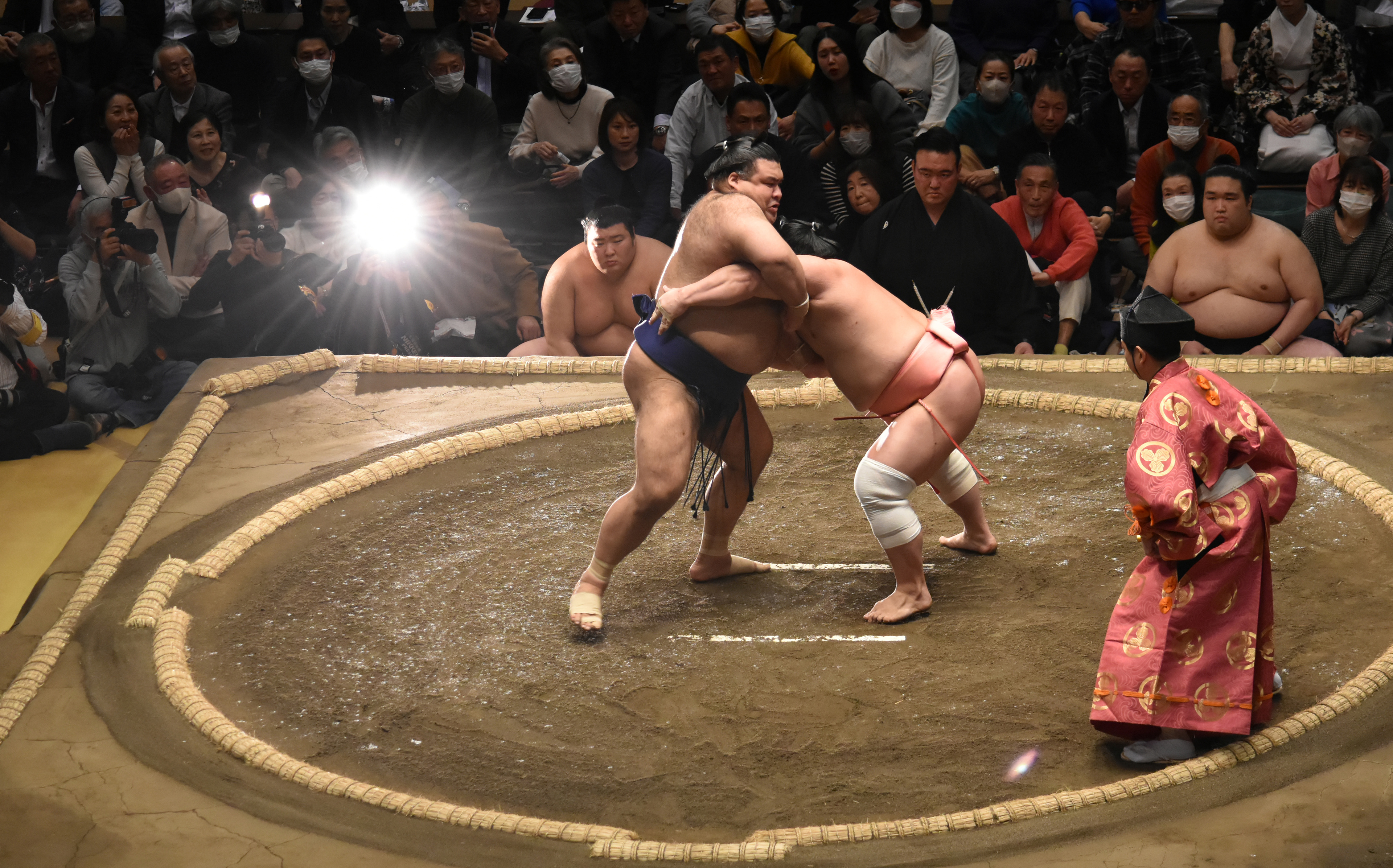
Fight Scene illuminated by the ringside pro photographers
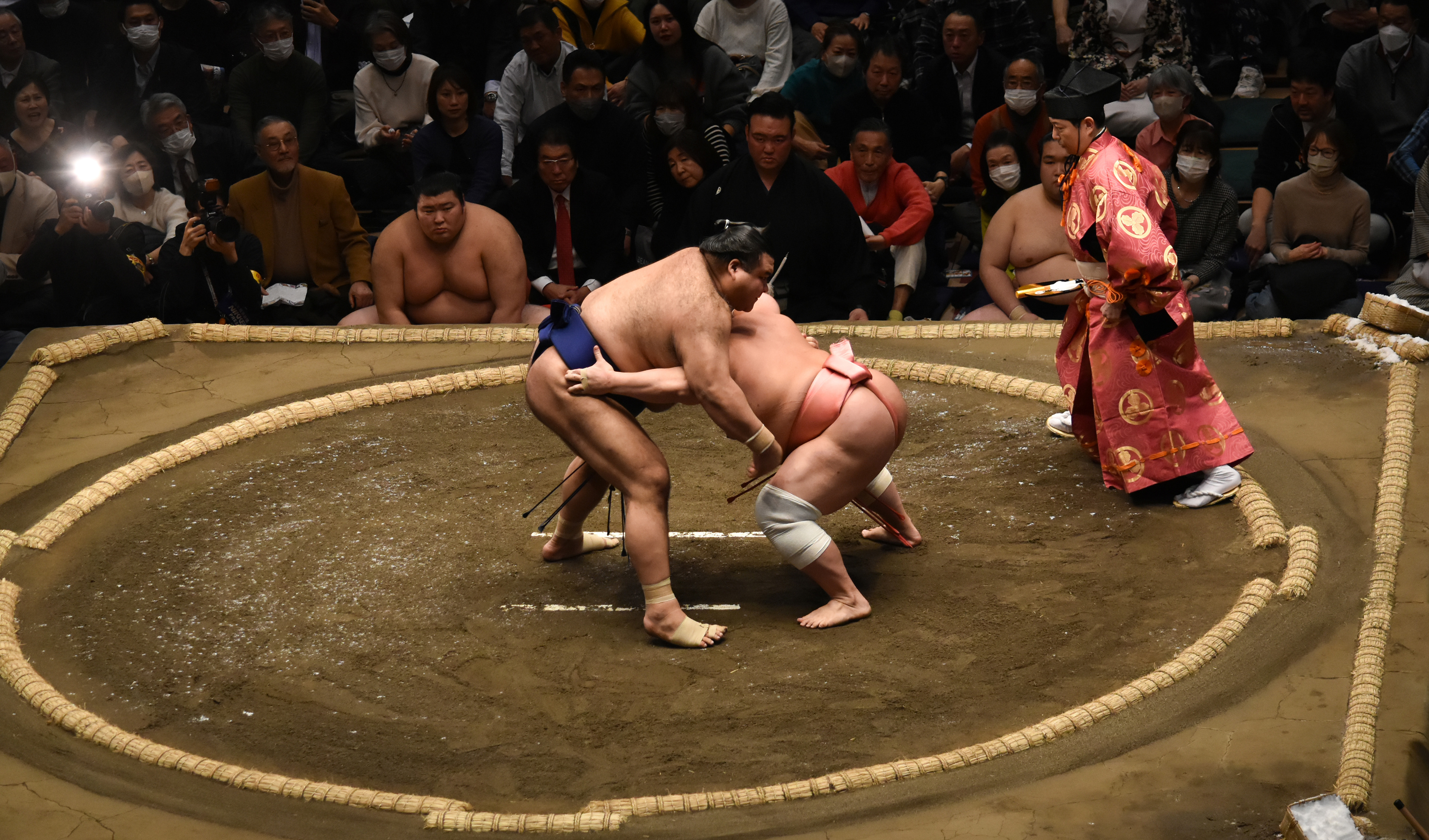
Both fighters are looking for some leverage
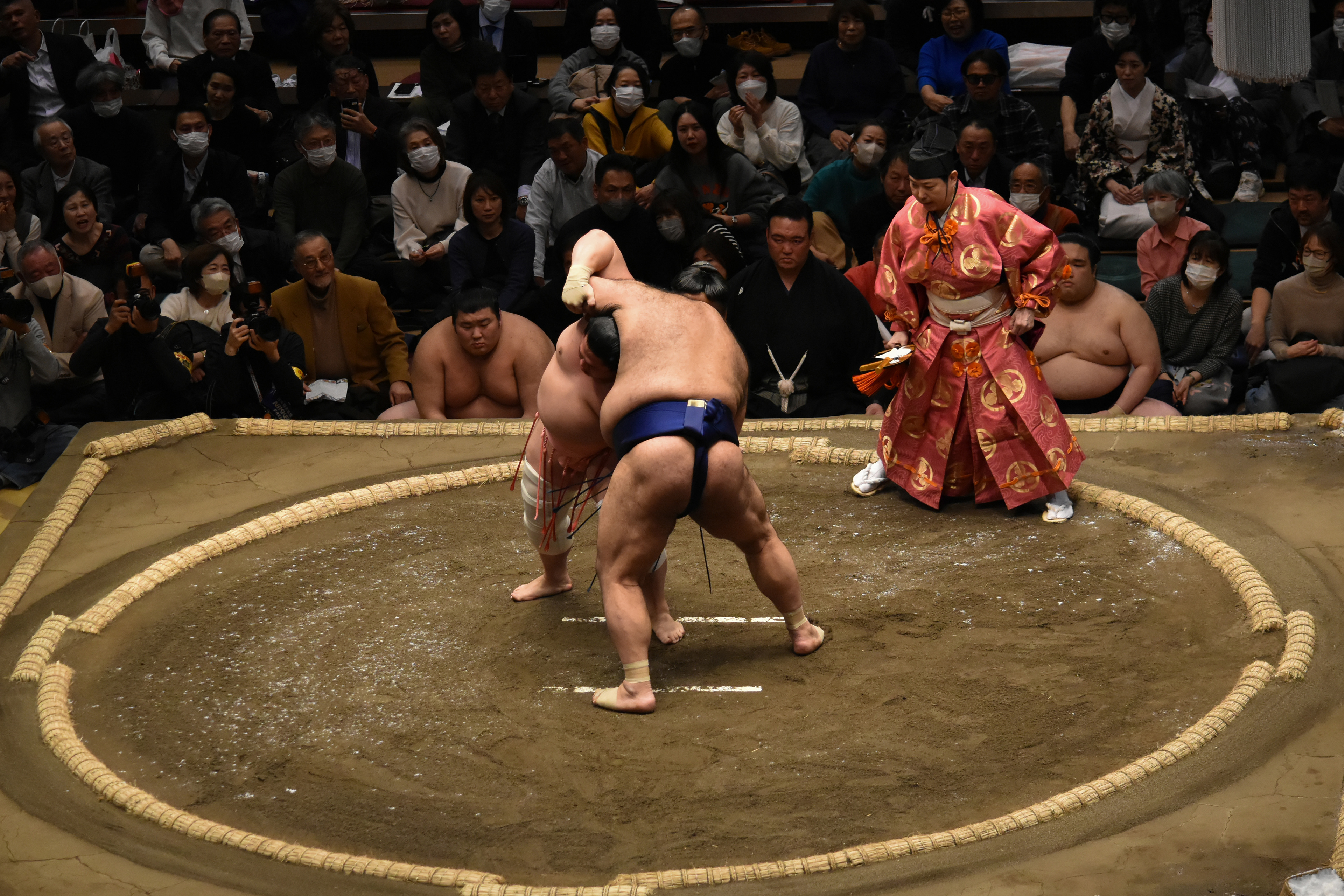
The beginning of the end.
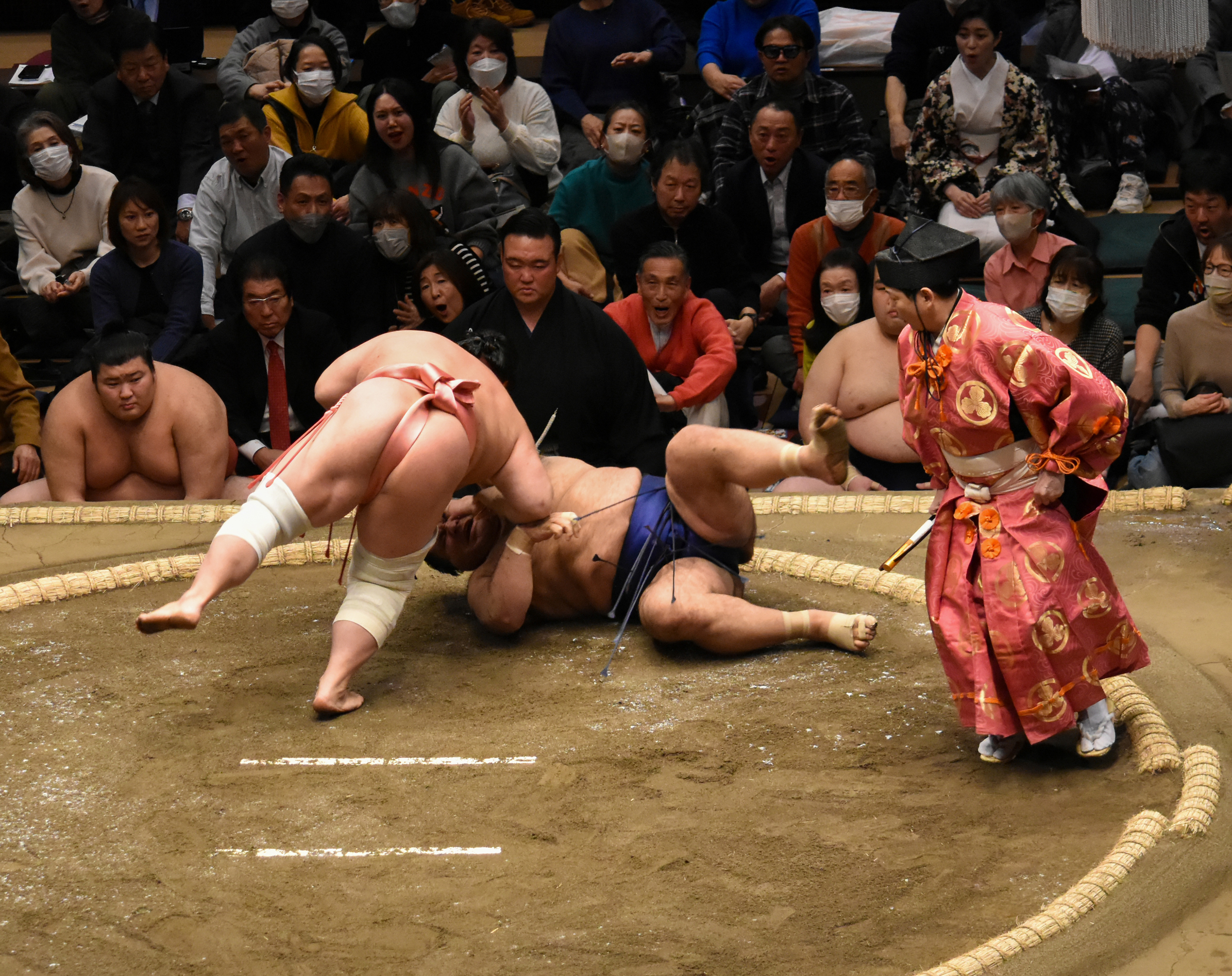
The fight is over as one hits the deck
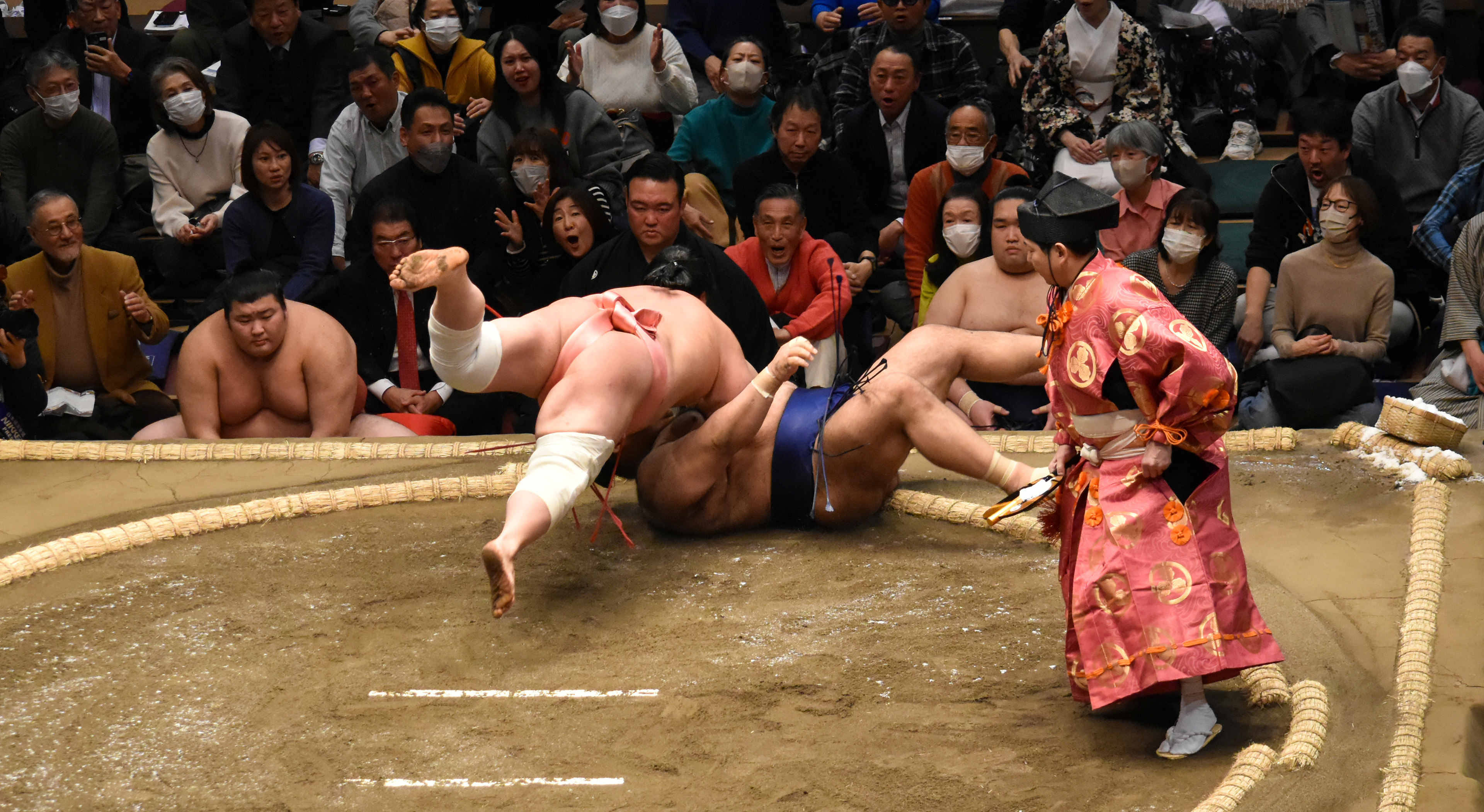
The winners momentum takes him over too
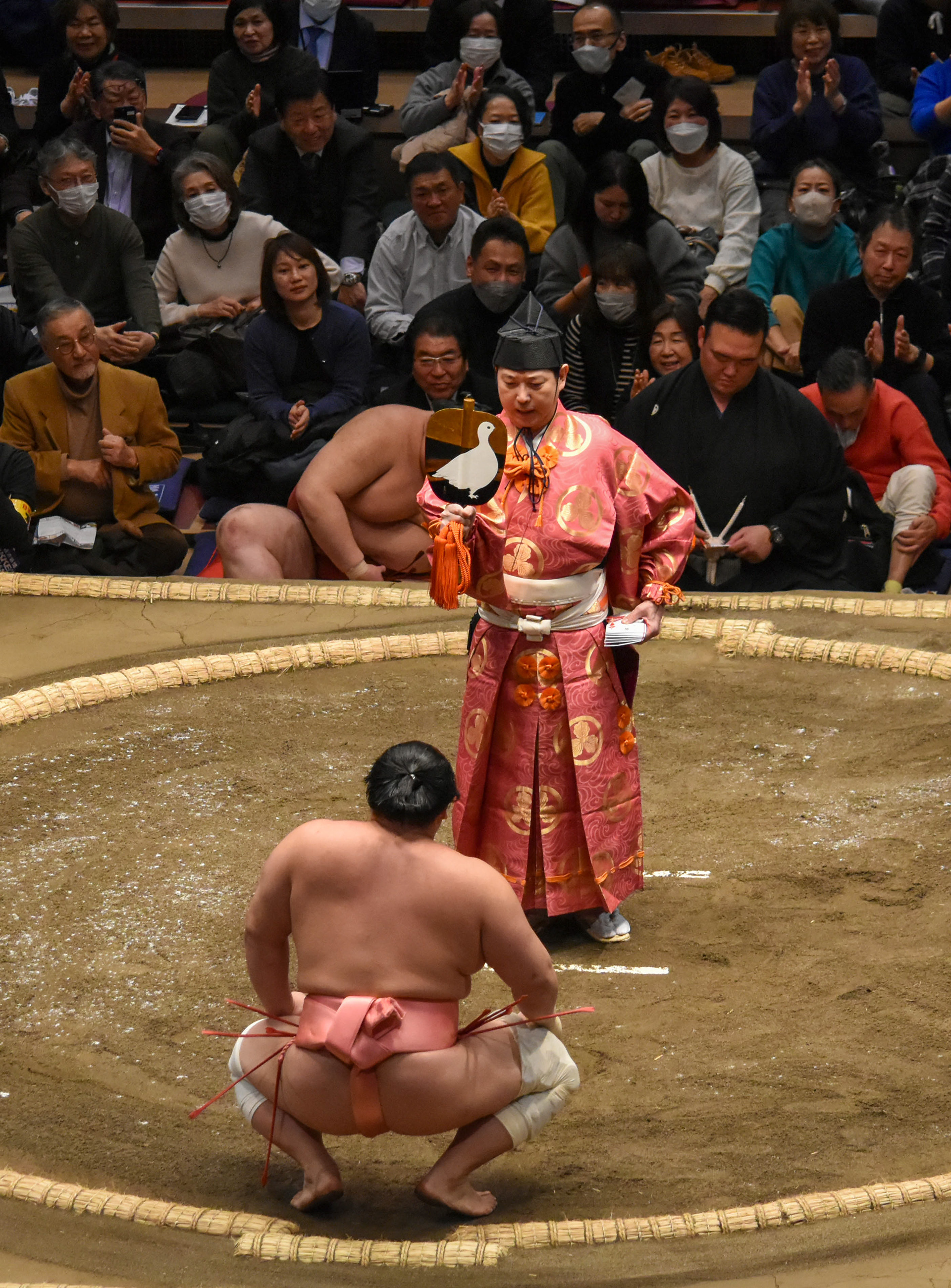
The winner is about to receive the envelopes of money from the referee